
Let's Discuss Your Requirements, Get a Free Quote

    Customize Packaging Shrink Film

    Shrink Film Cut To Your Width, Not A Fixed Size Chart

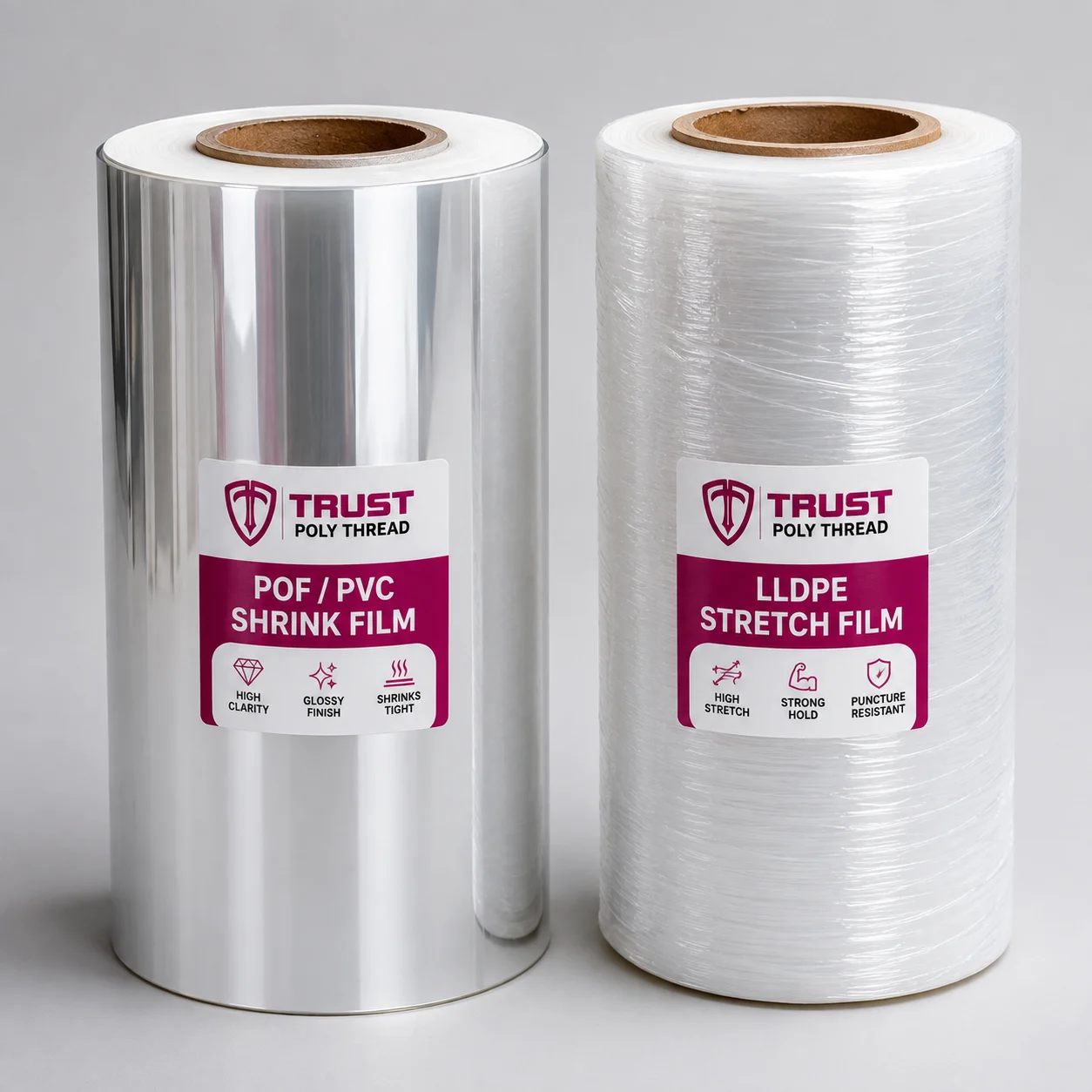
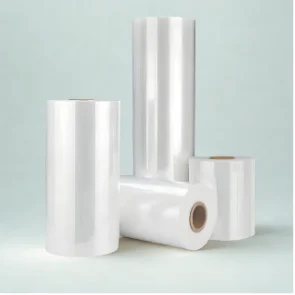
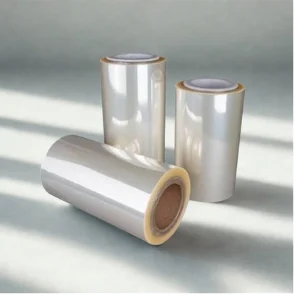
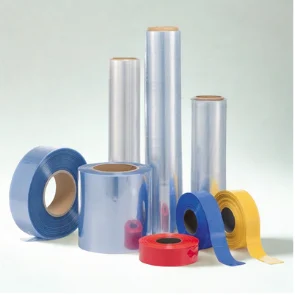
    We supply shrink film in POF and PVC, cut to your width and micron requirement, from Kolkata. If you're already ordering thread, tape or BOPP film from us, shrink film usually joins the same purchase order rather than needing its own vendor relationship.
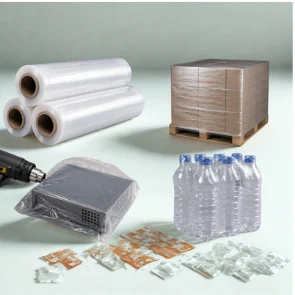
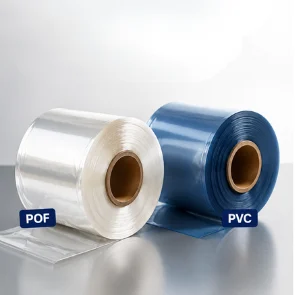
    POF and PVC shrink film roll supplied by Trust Poly Thread, Kolkata
    Table of Contents

    POF Or PVC, And This Choice Actually Matters

    POF, polyolefin, is the one to reach for if your product touches food, or if you care about what happens when the film gets heated during sealing. It's approved for direct food contact, doesn't release harmful fumes when sealed, and stays flexible even in cold storage conditions. It costs more than PVC, but for food, pharma or anything with a safety requirement, that's not really optional.

    PVC is cheaper and gives a similarly glossy, clear finish, which is why it's still common for non-food retail packaging, media cases and promotional bundles. The real drawback is what happens at the sealing stage: PVC releases hydrogen chloride gas when heated, which is unpleasant at best and a genuine safety and environmental concern at worst. It's also more prone to yellowing and going brittle over time, especially in cold conditions.

    So the honest answer to "which one should I use" usually comes down to one question. Does this touch food or anything sensitive, or does it need to survive cold storage? If yes, POF. If it's a dry retail item and cost matters more than anything else, PVC still does the job.
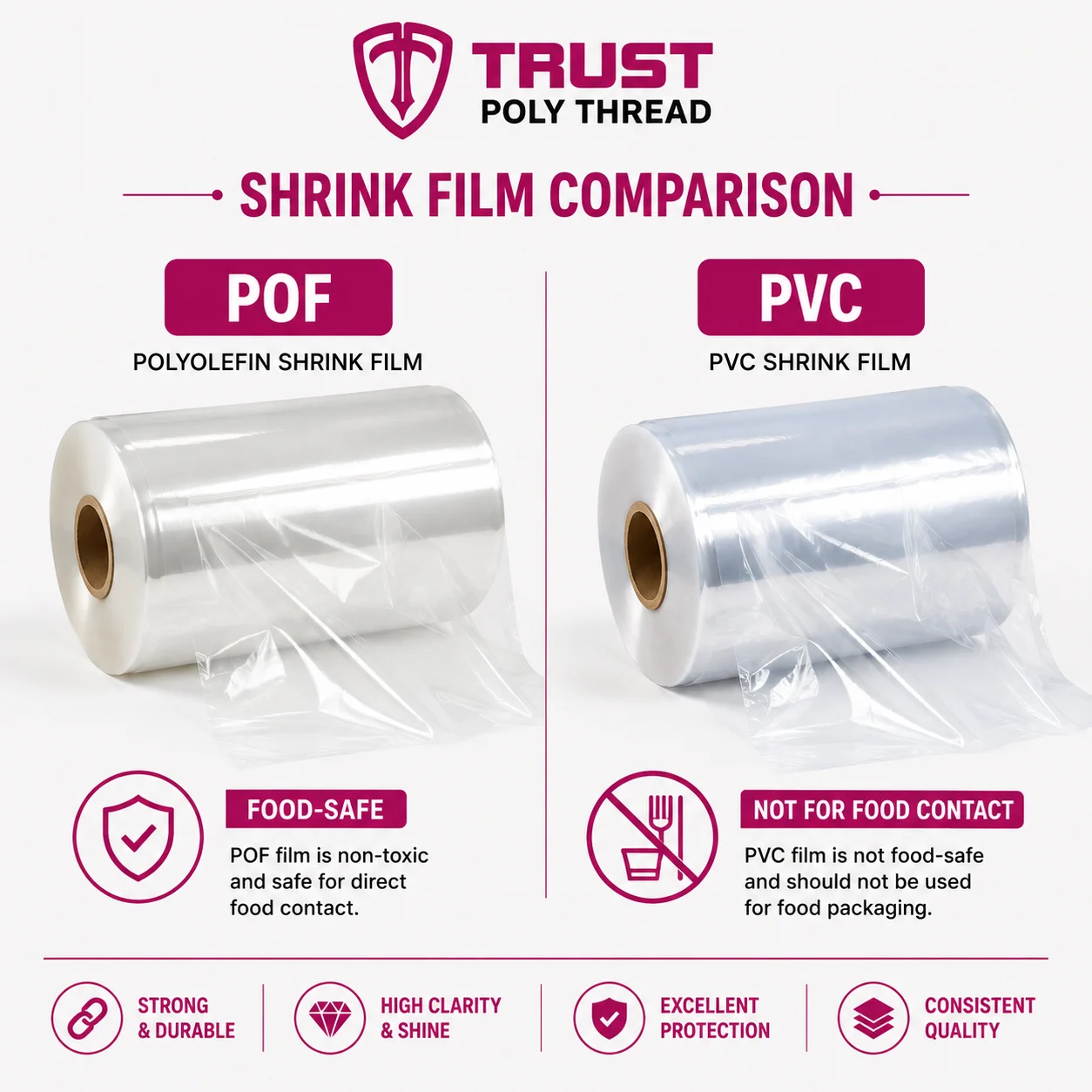
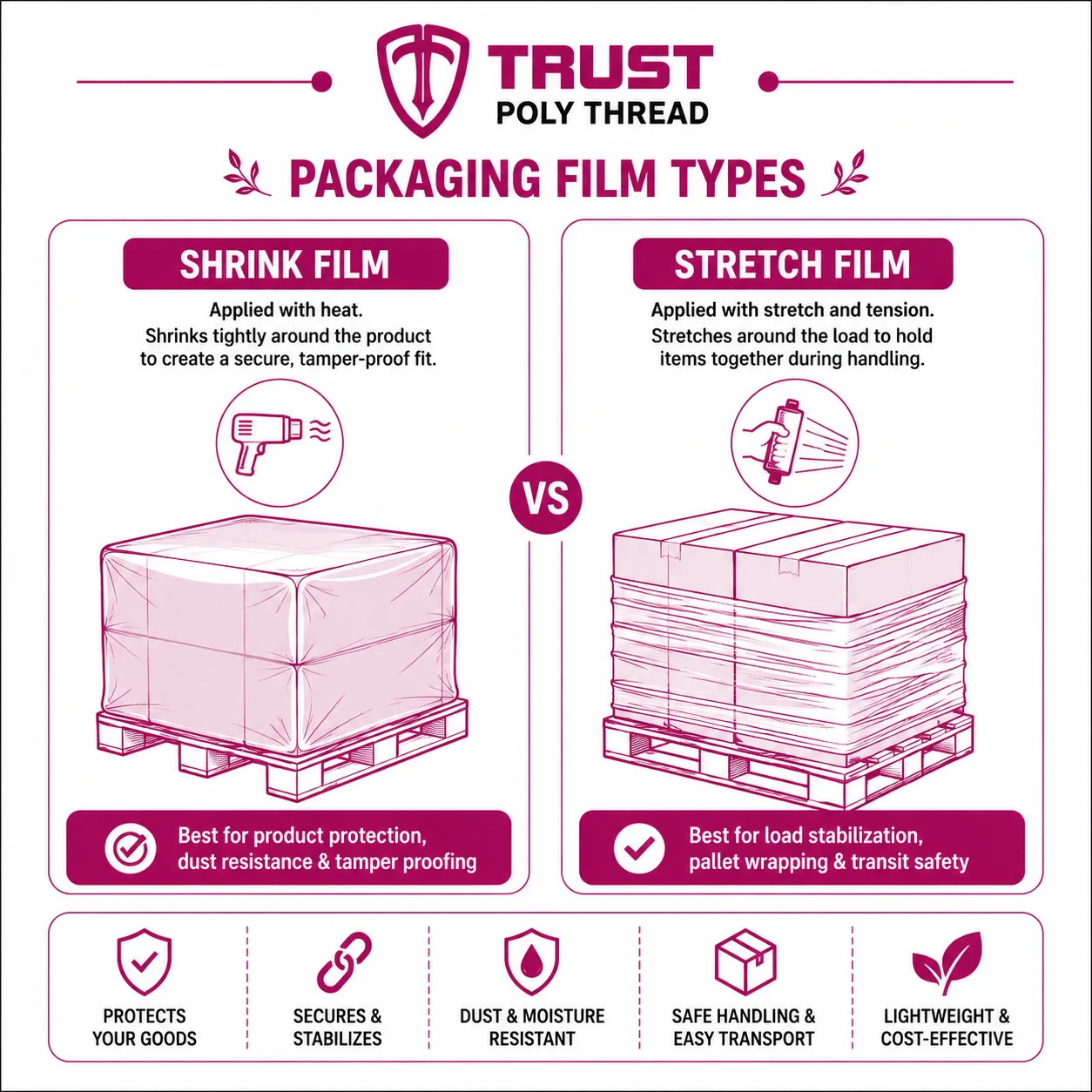
    POF versus PVC shrink film comparison

    Cold Storage And Shrink Force, Explained Plainly

    Shrink force is how hard the film pulls once it's heated, and it matters more for products that can't take pressure than for sturdy ones. A soft or delicate item under a high shrink-force film can end up dented or crushed, even though the wrap looks perfectly tight. POF generally handles this more predictably across a range of shrink forces, and it keeps performing in cold storage where PVC tends to stiffen up and lose its grip.

    Your product going anywhere near a chiller or freezer after packing? Mention that upfront. It changes which film actually holds up, not just which one looks fine on day one.

    Micron And Width, Cut To What You Actually Need

    We don't sell shrink film off a fixed size chart, because the right thickness depends entirely on what you're wrapping. A single bottle or a light retail item needs far less film than a multi-pack bundle that has to survive a delivery truck. Tell us the product, the pack size, and how it travels after sealing, and we'll recommend a micron and width rather than sell you whatever's easiest to cut.

    Getting the micron wrong doesn't always fail obviously. Too thin, and a bundle looks fine on the shelf but splits open in transit. Too thick, and you're paying for shrink force your product never needed. Neither mistake shows up until the product's already left your hands, which is exactly why it's worth a proper conversation upfront.

    Who Actually Uses This From Us

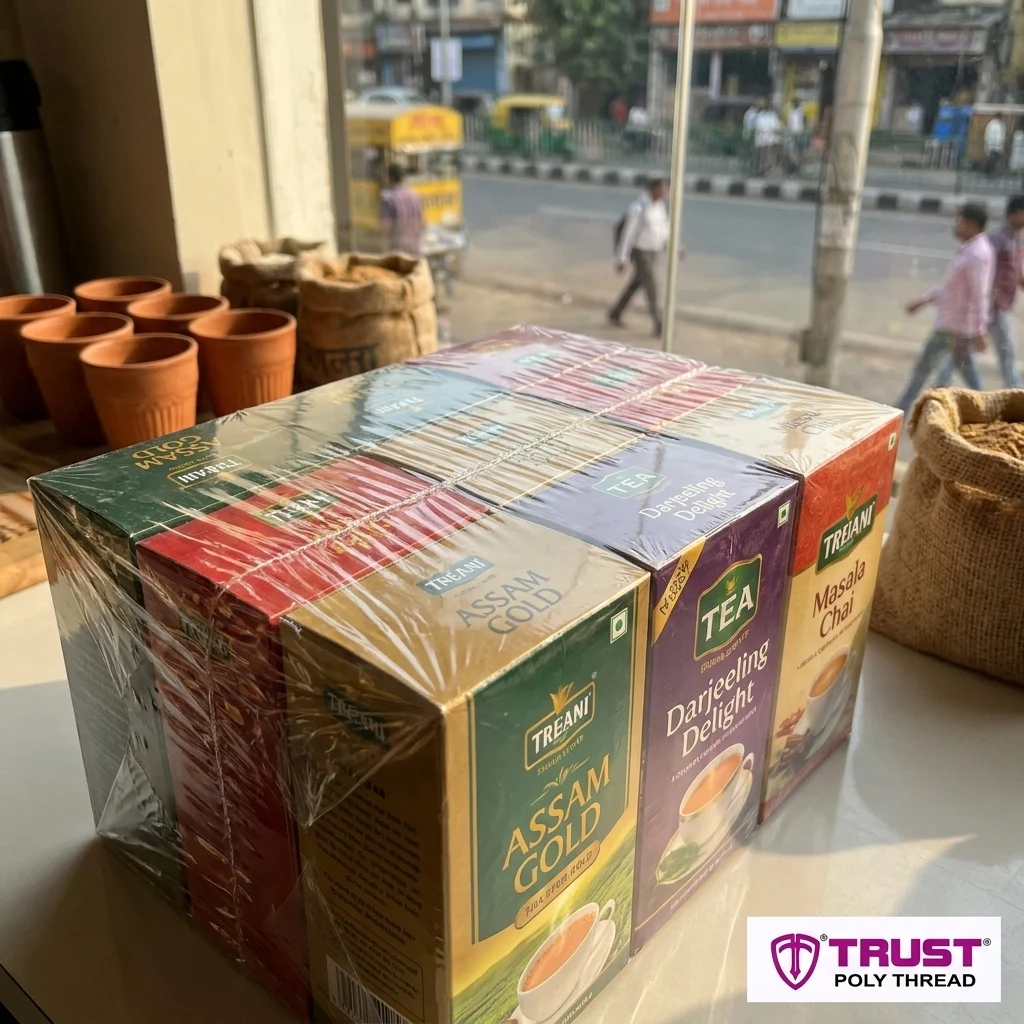
    Tea packers are a natural fit here, and it's often the same buyers already taking tags and envelopes from us for the same product line. POF shrink wraps individual tea packets or bundles multiple boxes for retail display, and food safety usually makes POF the right call rather than PVC. Snack and small FMCG packers make up a good share of the rest, generally choosing based on whether their product touches the film directly or sits inside another wrapper first.

    Demand here doesn't track the Aman harvest the way thread and tape do. It's steadier through the year, though tea-linked orders do pick up around the same first flush season that drives our tag and envelope business. A handful of orders also come from buyers outside our usual rice and tea base entirely, small units bundling non-food retail items where PVC's lower cost genuinely makes sense. We treat those the same as any other enquiry, matching film to product rather than assuming everyone needs the same grade.

    Shrink film used for tea packet bundling

    Supplied, Not Manufactured In House

    Same as our film and tape range generally, we don't run our own extrusion line for shrink film. We source it against your specification from established producers, checking consistency before it goes out rather than just relaying whatever arrives. If you need a highly specialised grade or an unusual custom treatment, we'll tell you honestly if that's outside what we can reliably source, rather than promise something we can't deliver.

    Why Reliable Sourcing Beats The Cheapest Quote

    A slightly cheaper shrink film that shrinks unevenly, or splits on the truck, costs more than it saved once you count the returns and the reputational damage on a branded product. We'd rather quote a fair, consistent price on film that actually performs than win an order on the lowest number and lose the relationship on the second delivery.

    How Ordering Actually Works

    Tell us what you're packing, whether it touches food, and how the finished pack travels afterwards. We'll recommend POF or PVC and a micron range based on that, not based on what's cheapest to source. Once confirmed, we dispatch from Kolkata, alongside thread, tape or BOPP film if you're ordering those too.

    Questions We Get Asked About Shrink Film

    What's the real difference between POF and PVC shrink film?

    POF is approved for direct food contact, doesn't release harmful fumes when heated, and stays flexible in cold storage. PVC is cheaper and equally glossy, but releases hydrogen chloride gas when sealed and isn't recommended for food contact. For anything food or pharma related, POF is the right choice. For dry, non-food retail items, PVC still works.

    Which one should I use for food packaging?

    POF. It's approved for direct food contact and doesn't release the fumes that PVC does during heat sealing. This isn't a close call for anything food or pharmaceutical related.

    What micron thickness should I choose?

    It depends entirely on the product and how it travels after sealing. Lighter, single items need less film than multi-pack bundles that face rough handling in transit. Tell us your product and pack size and we'll recommend a thickness rather than guess.

    Can I get custom widths, or only standard sizes?

    We cut to your specific width requirement rather than sell off a fixed size chart, since packaging lines vary too much for one standard size to fit everyone. Tell us your machine's width requirement and we'll confirm what's realistic.

    What's the HSN code and GST rate for shrink film?

    Shrink film, whether POF or PVC, generally falls under HSN 3920 as a plastic film product, which attracts 18 percent GST. This wasn't affected by the September 2025 reform that dropped textile yarn and sewing thread rates, since that reform applied to a different HSN chapter entirely. Confirm the specific code with your accountant based on your exact film composition.

    Why does PVC shrink film sometimes turn yellow or go brittle?

    This happens with age and exposure, particularly in colder conditions, and it's a known limitation of PVC compared to POF. If your film needs to sit in storage for extended periods before use, POF holds up more reliably over time.

    Is POF shrink film actually more expensive, and by how much?

    Yes, POF typically costs more than PVC upfront. The gap varies by micron and quantity, so tell us your specification and we'll give you a real comparison rather than a rough estimate. For food or pharma applications, the price difference isn't really optional either way.

    Does shrink film need a special machine to apply?

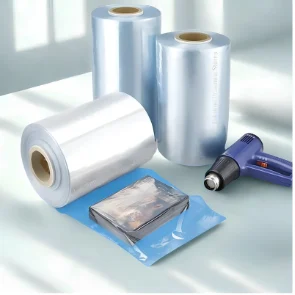
    Yes, shrink film needs heat, either through a heat gun for smaller operations or a shrink tunnel for higher volume lines. Tell us your current setup and we'll confirm the film will actually shrink properly on your equipment.

    What's the minimum order quantity for shrink film?

    It depends on the width and micron combination, since custom cuts carry a different minimum than commonly stocked specifications. Tell us your requirement and quantity and we'll confirm a realistic number.

    Can I get a sample before ordering in bulk?

    Yes, and we'd suggest it for a first order, the same as with any product on this site. Testing shrink behaviour on your own machine before committing to a full roll run saves both of us a problem later.

    Do you supply shrink film alongside other products on one order?

    Yes. A lot of our regular buyers already order thread, tape or BOPP film from us, and shrink film typically joins the same purchase order and dispatch rather than needing a separate delivery.

    Is shrink film recyclable?

    POF is generally more recyclable and produces fewer harmful byproducts in disposal. PVC recycling is more limited and requires careful handling due to its chlorine content. If recyclability is a genuine requirement for your business, tell us upfront and we'll confirm which grade actually meets it.

    How is shrink film different from BOPP or stretch film?

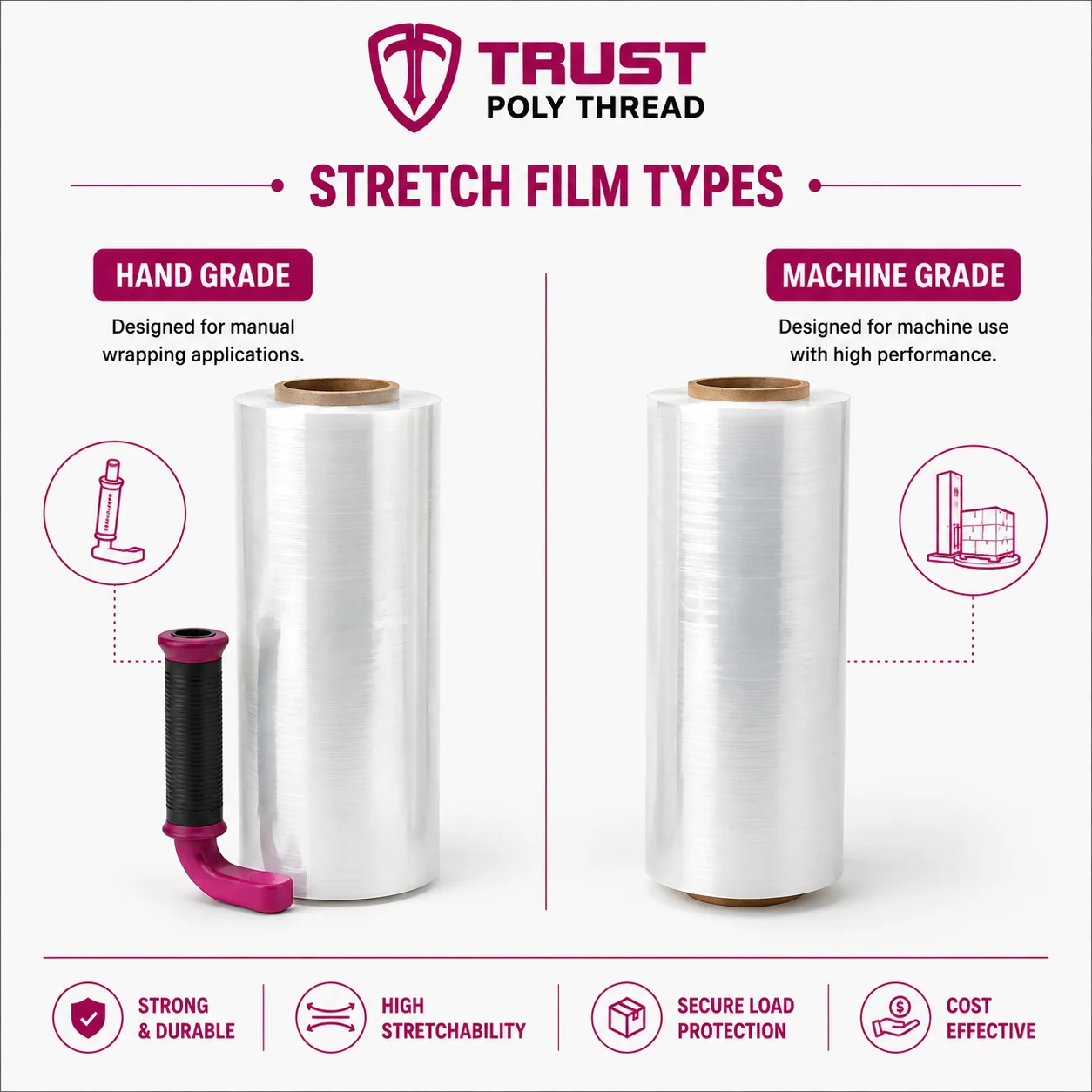
    Shrink film tightens around a product's exact shape when heated, which BOPP film doesn't do. Stretch film wraps under tension rather than heat, commonly used for pallet wrapping rather than individual product packs. Not sure which one fits your product? Tell us what you're packing, and we'll point you to the right one, even if that's a different product on this site.

    Do you supply shrink film outside West Bengal?

    Yes, nationwide. Being Kolkata based mainly shortens transit for buyers in the East and North East, but supply isn't restricted to any single region.

    Can shrink film be printed with branding?

    Printed shrink film is possible but needs a dedicated production run rather than pulling from standard clear or plain stock. Tell us your branding requirement and quantity and we'll confirm whether it's realistic for your order size.

    What causes shrink film to seal unevenly or leave wrinkles?

    This is usually a heat setting or line speed issue rather than a fault in the film itself, though inconsistent film thickness from a poor batch can contribute too. If you're seeing this regularly, tell us your machine settings and we'll help figure out whether it's a process issue or a film issue.

    Do I need a shrink tunnel, or can I use a heat gun?

    It depends on your volume. A heat gun works fine for low volume or occasional use, while a shrink tunnel suits continuous packing lines where consistency and speed matter more. Tell us your daily volume and we'll say honestly whether a tunnel is worth the investment yet.

    A competitor is quoting a much lower price for the same film specification. Should I switch?

    Ask them what grade and micron they're actually quoting before comparing on price alone, since a thinner or lower-grade film can look like the same product on paper while performing very differently on your line. We're happy to match specifications exactly so you're comparing the same thing, not just the same price.

    Does shrink film affect the shelf life of what's inside?

    Shrink film itself is primarily a physical protection and presentation layer, not a shelf-life extension technology the way vacuum sealing or modified atmosphere packaging is. If shelf life is a specific requirement, tell us your product and we'll be upfront about whether shrink film alone meets it or whether you need a different packaging approach entirely.

    What information should I have ready before requesting a quote?

    The product you're wrapping, roughly how it's handled after sealing (does it travel far, sit in cold storage, get stacked), and your expected order volume. That's usually enough for us to recommend POF or PVC and a starting micron, before we even get into pricing specifics.

    Can I switch from PVC to POF later if my requirements change?

    Yes, and it's a straightforward switch on our end since both come from the same sourcing relationship. Tell us when your requirement changes, whether that's a new food-safety need or a customer specification, and we'll adjust the next order rather than lock you into whatever you started with.

    Talk to us before you order

    A two-minute call usually settles it faster than an email back-and-forth.