
Rice Bag Sealing Tape That Actually Stops Tampering
We supply rice bag sealing tape in 15mm, 18mm and 20mm widths, in LD, metallised and holographic finish, from Kolkata. If you're already ordering thread or sacks from us, this usually rides on the same order rather than needing a separate vendor and a separate delivery schedule.
Table of Contents
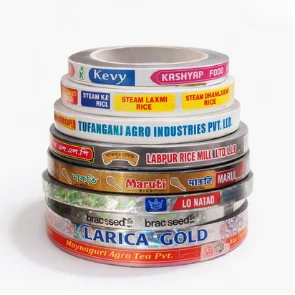
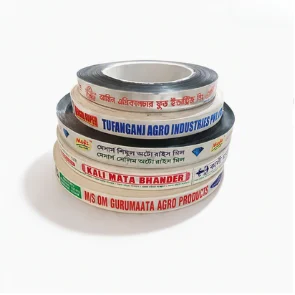
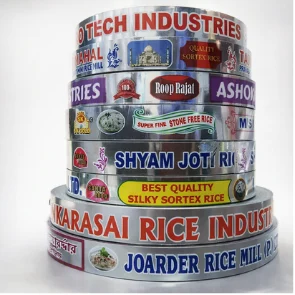
Three Widths, Three Finishes, And What Each One Actually Does
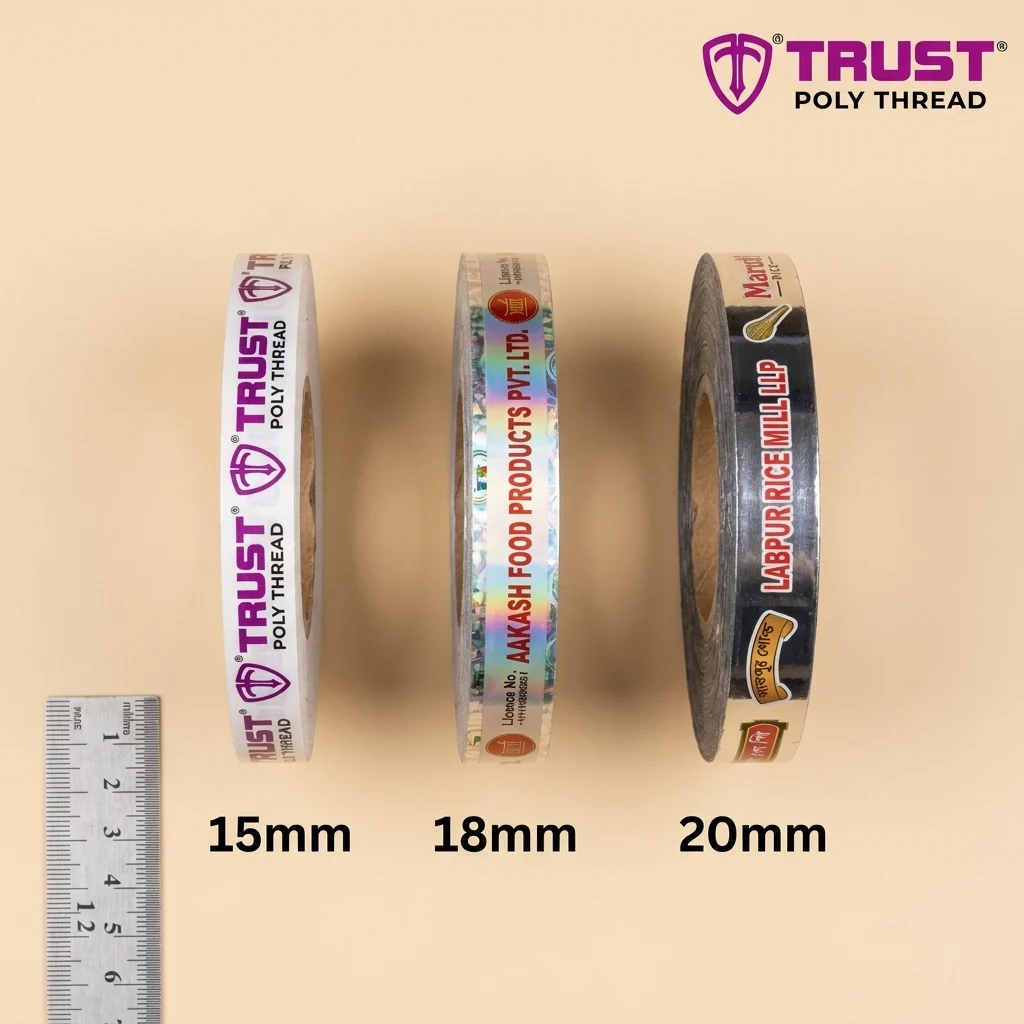
15mm suits lighter bags and smaller retail packs, where a narrower strip is enough to reinforce the closure without adding unnecessary material cost. 18mm is the common middle ground, wide enough for most standard rice and grain sacks. 20mm goes on heavier or larger sacks where the extra width gives a more secure seal across a wider seam.
Picking the wrong width doesn't usually ruin a bag outright. It just means you're either overpaying for width you didn't need, or under-sealing a heavier sack that would have benefited from the extra coverage. Neither mistake shows up immediately, which is exactly why it's worth a proper conversation before the first bulk order rather than after.
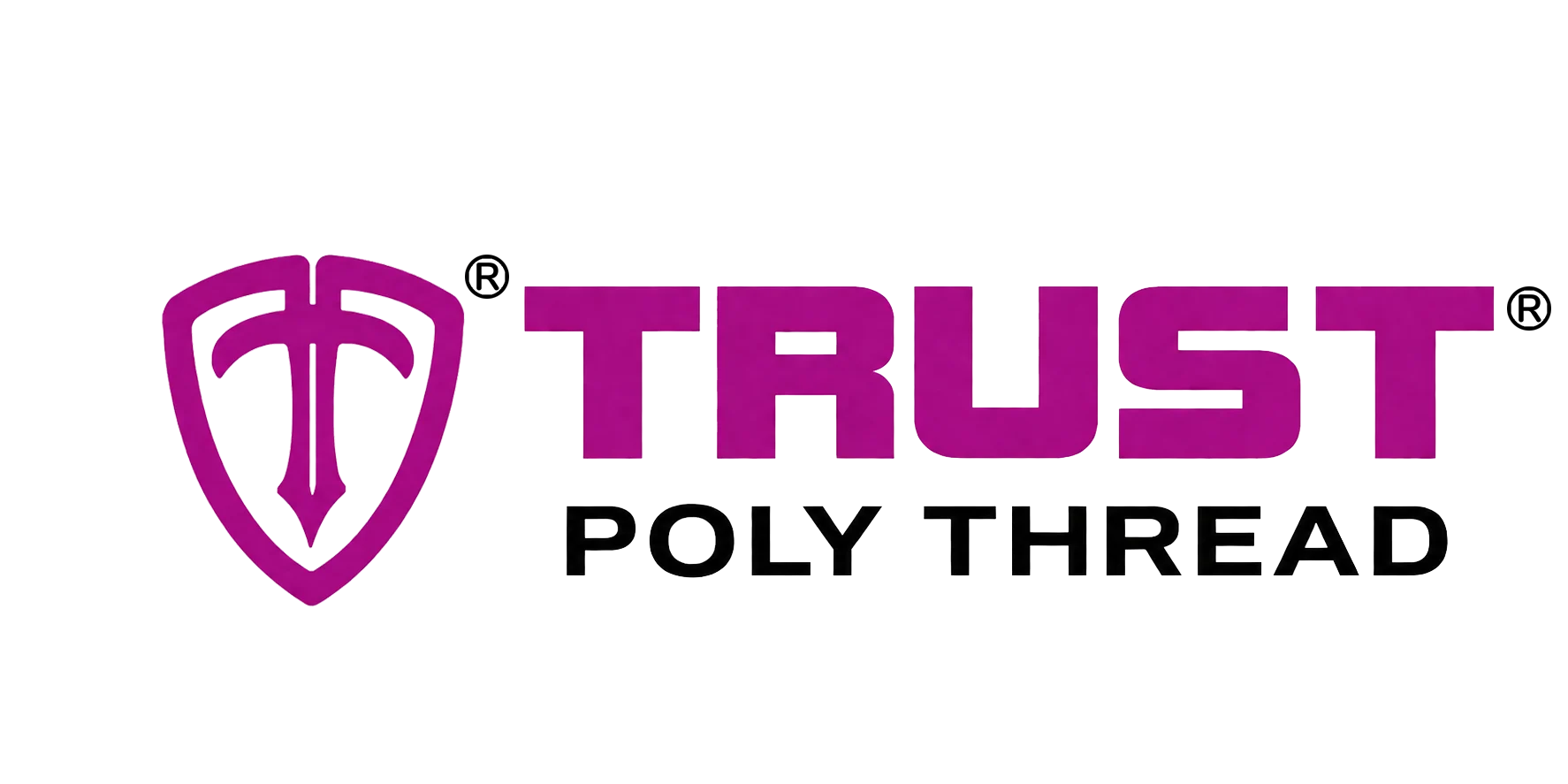
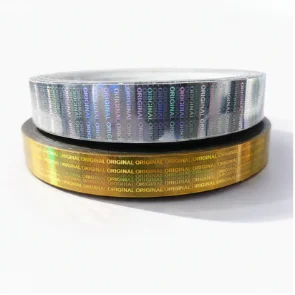
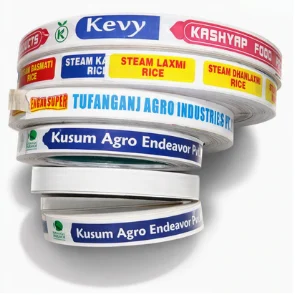
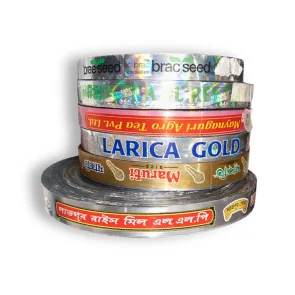
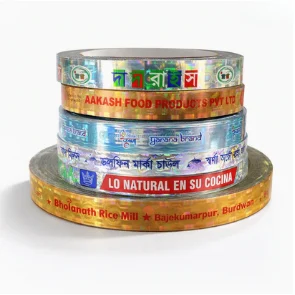
LD, low density polyethylene, is the plain, flexible option, and it conforms easily to an irregular or soft-sided bag, which makes it the easiest to apply of the three. Metallised tape adds a foil-look finish that's harder to peel and replace without it being obvious. Holographic goes a step further, with a pattern that's genuinely difficult to counterfeit, which is exactly why it shows up on branded rice and grain packaging where tampering is a real concern.
Why Holographic And Metallised Are About Security, Not Just Looks
Here's what most buyers don't realise until someone explains it. Holographic and metallised tape cost more than plain LD for one reason. It's tamper evidence, not the finish for its own sake. A plain tape peels off and reapplies without much trace. A holographic pattern is hard to replicate. So a resealed bag becomes obvious to spot. For branded rice on a retail shelf, that matters more than it sounds. A bag opened and refilled with a cheaper product is exactly what a hologram makes harder to pull off.
Your sacks stay within a controlled chain, mill to known buyer? Plain LD is probably all you need. Your product reaches open retail shelves, where tampering is a genuine risk? Holographic earns its higher cost there.
Roll Lengths, And Custom Options
Standard rolls run 100, 200 or 300 metres. We'll also modify roll length against your specific requirement. None of the three standard sizes fit your line? We won't force it. Tell us your daily bag count and how often you'd rather change rolls, and we'll suggest a length that actually matches your line instead of the one that's easiest for us to produce.
Supplied, Not Manufactured In House
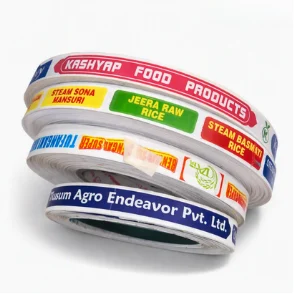
We're upfront about this one, same as with our film range. We don't run our own tape extrusion or metallising line. We source rice bag sealing tape against your specification from established producers, the same way we source bag closing machines and BOPP film. What we bring is the same thing we bring to every product here. Someone local, who knows your order history. We check consistency before it goes out, rather than just relaying whatever arrives.
Who Actually Orders This From Us
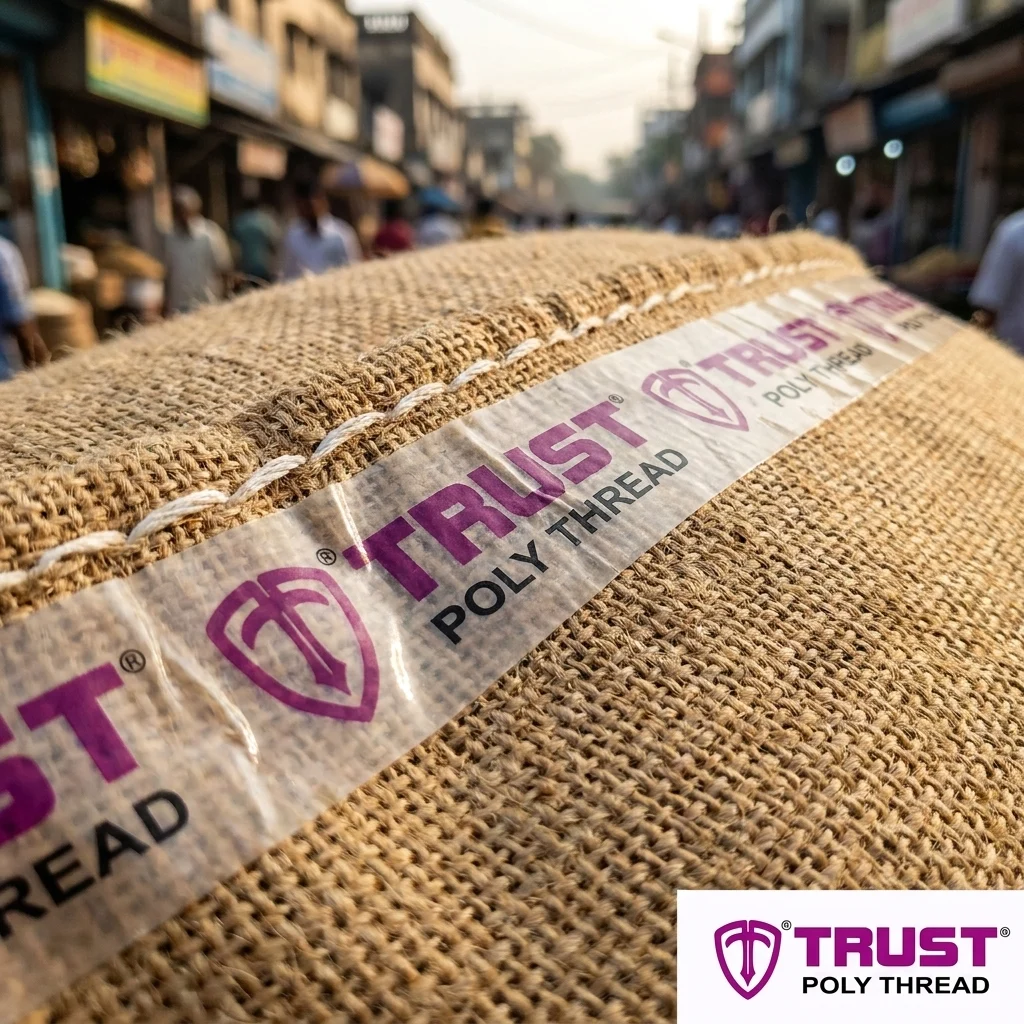
Rice mills make up the large majority of our sealing tape buyers, and it's almost always ordered alongside thread rather than as a standalone purchase. Demand tracks the same Aman paddy season that drives our thread orders, picking up from November as harvest moves through mills across Bardhaman, Nadia, Murshidabad and Hooghly. A smaller share of orders comes from branded packers specifically wanting the holographic finish for retail-facing bags, where the tamper-evidence matters more than for a mill-to-mill bulk sack.
How This Pairs With Everything Else We Supply
A rice sack closed with our thread and sealed with our tape is genuinely one purchase order instead of two. That sounds small until you're the one chasing two suppliers over two delivery windows during peak season. If you're already buying thread from us, mentioning sealing tape in the same conversation usually means one dispatch instead of two.
Beyond Rice, Where Else This Shows Up
The name says rice bag sealing tape. But the same three finishes turn up on pulses, flour, sugar and animal feed sacks just as often. Anywhere a woven sack needs a reinforced, visible closure, this same logic applies. If you're packing something other than rice specifically, the product doesn't change, only the branding expectations around it might, particularly if you're chasing a premium retail look rather than a plain bulk sack.
How Ordering Actually Works
Tell us your bag size, whether you need tamper-evidence or just a plain seal, and roughly how many bags you're closing daily. We'll recommend a width and finish rather than take an order for whatever you first name. Once confirmed, we dispatch from Kolkata, alongside thread or machines if you're ordering those too.
Questions We Get Asked About Rice Bag Sealing Tape
What's the difference between LD, metallised and holographic tape?
LD is plain, flexible low density polyethylene, the most economical option for standard closures. Metallised adds a foil-look finish that's somewhat harder to tamper with invisibly. Holographic adds a pattern that's genuinely difficult to replicate, making it the strongest tamper-evidence option of the three.
What width should I use for standard rice bags?
18mm is the common choice for most standard rice and grain sacks. 15mm suits lighter bags or smaller retail packs, and 20mm suits heavier or larger sacks where a wider seal adds security. Tell us your bag size and we'll confirm.
Do I need holographic tape, or is plain LD enough?
If your sacks move within a controlled supply chain, mill to known buyer, plain LD usually covers it. If your product reaches open retail where tampering or counterfeit refilling is a real risk, holographic is worth the extra cost for the tamper-evidence it provides.
What roll lengths are available?
Standard rolls run 100, 200 or 300 metres. We also modify roll length to your specific requirement if none of the standard sizes suit your packing line. Tell us your daily volume and preferred change-over frequency.
What's the HSN code and GST rate for rice bag sealing tape?
Self-adhesive plastic tape generally falls under HSN 3919, which attracts 18 percent GST. This rate wasn't part of the September 2025 reform that brought thread down to 5 percent, since that reform applied to textile yarn classifications, not plastic tape. Confirm the exact code with your accountant, since metallised or holographic treatments can occasionally shift classification.
Can you supply custom printed tape with our brand name?
Tell us your requirement and quantity and we'll confirm whether custom printing is realistic for your order size, since it usually needs a dedicated production run rather than pulling from standard stock.
What's the minimum order quantity for sealing tape?
Standard widths and finishes ship from modest quantities, so a smaller buyer isn't forced into a bulk-only order. Custom lengths, widths or printed tape carry a higher minimum. Tell us the specification and we'll confirm the number.
Can I order sealing tape and thread together on one invoice?
Yes, and that's how most of our regular buyers actually order it. Since a lot of our tape buyers are already ordering thread, combining both into one purchase order and one dispatch is the norm, not the exception.
How is rice bag sealing tape actually applied?
It's applied over or around the stitched seam of the bag. That reinforces the closure. Metallised or holographic finish adds a visible tamper-evidence layer on top of that. LD's flexibility makes it easy to apply by hand or machine across an irregular seam.
Does sealing tape replace thread stitching, or work alongside it?
It works alongside stitching in almost every case we see. The thread closes the bag structurally. The tape reinforces and, where needed, adds tamper-evidence on top of that closure. Neither replaces the other.
Can I get a sample before ordering in bulk?
Yes. We'd suggest a sample roll before a full bulk order, the same as we recommend for thread, so you can test application on your own packing line first.
Do you supply sealing tape outside West Bengal?
Yes, nationwide. Being Kolkata based mainly shortens transit for buyers in the East and North East, but supply isn't restricted to any one region.
How should sealing tape be stored before use?
Keep rolls in a dry, cool space out of direct sunlight. Prolonged heat and UV exposure can affect adhesive performance on any of the three finishes, though LD is generally the most tolerant of the three.
What happens if the tape doesn't stick well on my packing line?
Tell us your bag material and line speed before you assume the tape itself is at fault. Adhesion issues often trace back to surface dust, moisture, or line speed mismatched to the tape's application method, rather than a fault in the tape.
Is holographic tape genuinely harder to counterfeit, or is that just marketing?
The pattern itself is difficult and costly to replicate without the original tooling. That's why it's a recognised anti-tampering measure across packaged food generally, not just rice. It won't make counterfeiting impossible, but it raises the cost and difficulty enough to deter casual tampering, which is the realistic goal.
Does the tape come in colours, or is it always silver or clear?
Metallised typically runs in a silver, foil-look finish, and holographic carries its characteristic rainbow-shift pattern. LD is available plainer and can often be produced in custom colours against a larger order. Tell us if colour matters for your branding and we'll confirm what's realistic.
Will the tape hold up in humid storage or during monsoon transport?
LD and metallised both handle moderate humidity reasonably well, since the base material resists moisture better than paper-based tapes would. For genuinely extreme conditions, prolonged exposure to standing water or very high heat during transport, tell us the exact scenario so we can confirm the right finish rather than assume standard conditions.
How quickly can you dispatch a sealing tape order?
Standard widths and finishes in common lengths move faster than custom printed or non-standard roll lengths. Tell us your quantity and timeline upfront and we'll give you a straight dispatch estimate rather than a hopeful one.
Is plain LD tape actually cheaper than metallised or holographic, and by how much?
Yes, LD is the most economical of the three, since it skips the additional foil or holographic lamination step the other two need. The exact difference depends on your quantity and width, so tell us your specification and we'll give you a real comparison rather than a rough guess.
Can I switch finishes partway through a large order if my requirement changes?
Generally yes, provided we haven't already run the specific batch. Tell us as early as possible if your requirement shifts mid-order, since catching it before production starts is far easier than after.
Does a wider tape always mean a stronger seal?
Not automatically. Width helps distribute the seal across a wider area, but adhesive quality and the base material matter just as much as width alone. An 18mm tape applied correctly often outperforms a 20mm tape applied poorly. Tell us your actual failure point, if you've had one, and we'll help diagnose whether it's a width issue or an application issue.
Do you supply tape for machine application, or only hand application?
Both. LD in particular is commonly used across manual and machine-fed lines, since its flexibility suits either method. Tell us how your line applies tape currently, and we'll confirm the roll format and core size that fits your equipment.
Should I order tape and thread from you at the same time as a new buyer?
It's worth asking about both in the same first conversation, even if you're only ready to order one right now. Knowing your full requirement upfront lets us quote realistically on timing and pricing for both, rather than treating a second order later as an entirely separate conversation.