
Let's Discuss Your Requirements, Get a Free Quote

    HDPE BOPP Rice & Flour Packaging Bags

    HDPE BOPP Bags, Built For Rice And Flour Packaging

    Table of Contents

    We supply HDPE woven bags with BOPP lamination, built specifically for rice and flour packaging, from Kolkata. If you're already ordering thread, machines or sealing tape from us for the same sacks, this is one more line on the same purchase order, not a new vendor relationship.
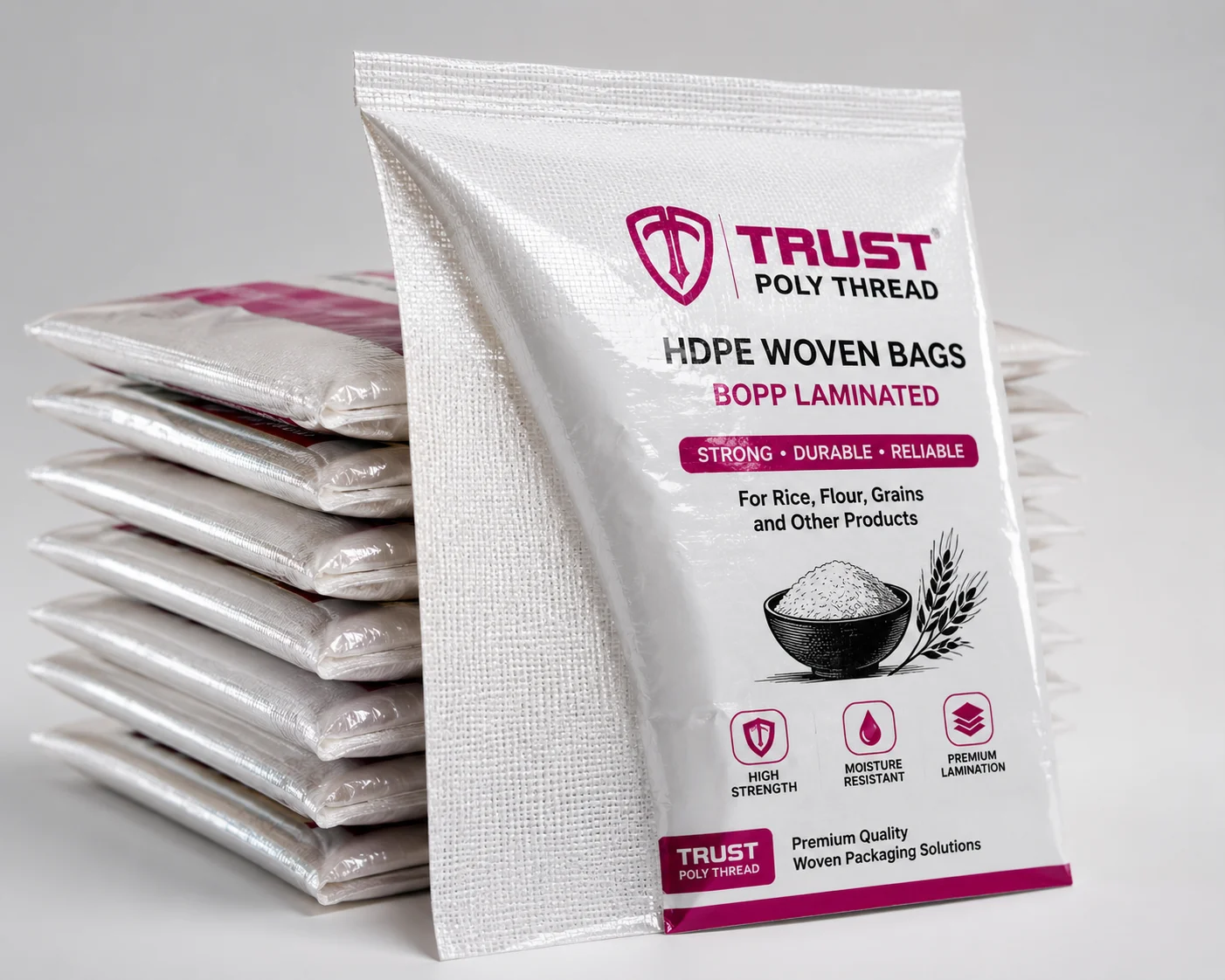
    HDPE BOPP laminated rice and flour bags supplied by Trust Poly Thread, Kolkata

    HDPE Woven, And Why It's Our Focus Here

    HDPE, high-density polyethylene, woven into a sack fabric, is the material we've built this line around. It runs a good balance of strength and cost for rice and flour packing, typically in the 70 to 80 GSM range for standard 25 and 50 kg bags, and it takes lamination well, which matters given the BOPP finish is the other half of what we're offering here.

    PP woven fabric does a similar job and shows up across the market too. The practical difference between the two comes down to specific grade and finish more than the base material name. We're not going to invent a dramatic distinction where the real one is small. HDPE is where we've focused our sourcing relationships, so it's what we lead with, but tell us if your line is already standardised on PP and we'll confirm whether we can match that instead.

    Jute stays outside our focus here. It suits buyers who specifically want it for tradition or a natural retail look, but it's a different sourcing relationship entirely, and we'd rather point you elsewhere for it than stretch into a material we don't work with regularly.

    BOPP Lamination Is The Core Of What We Supply Here

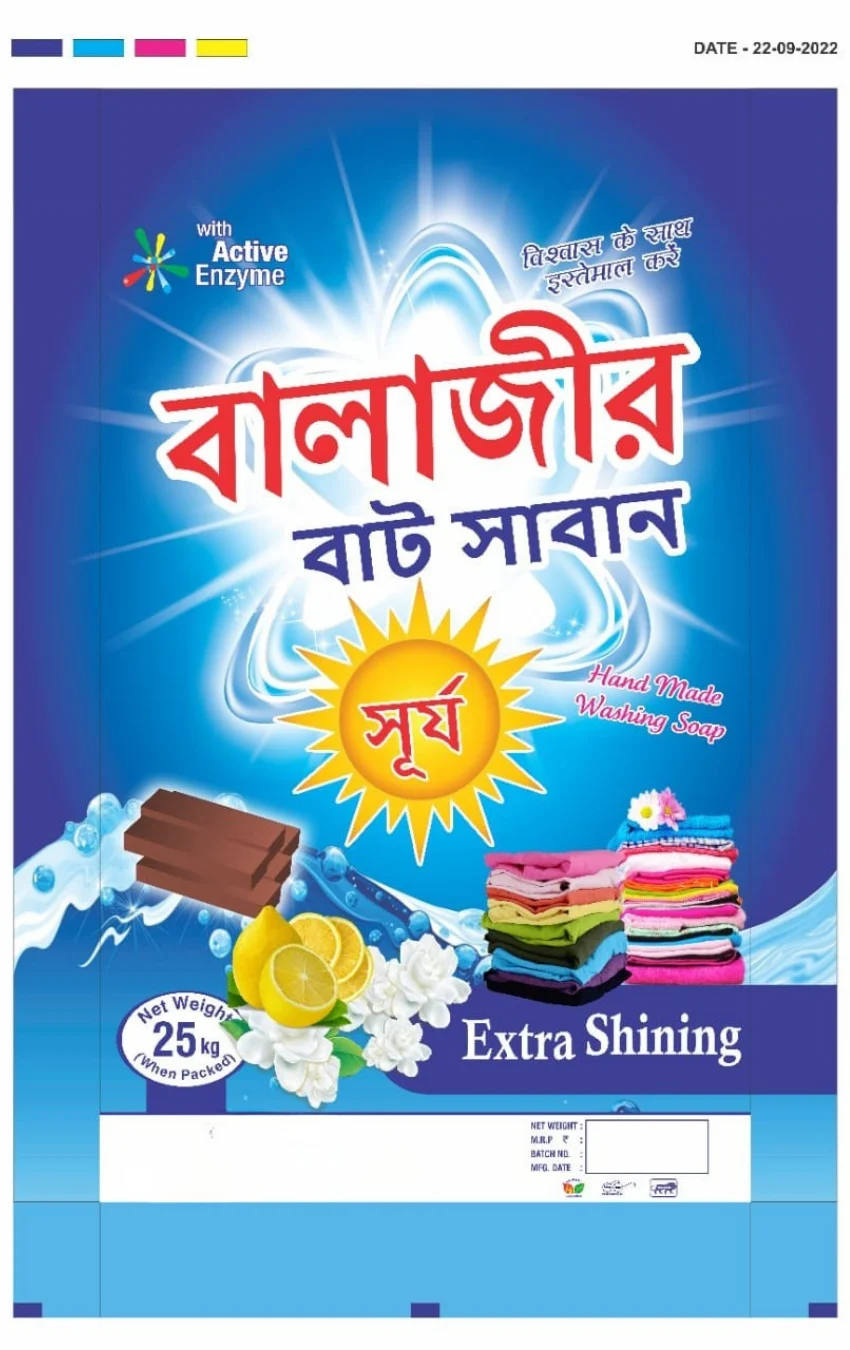
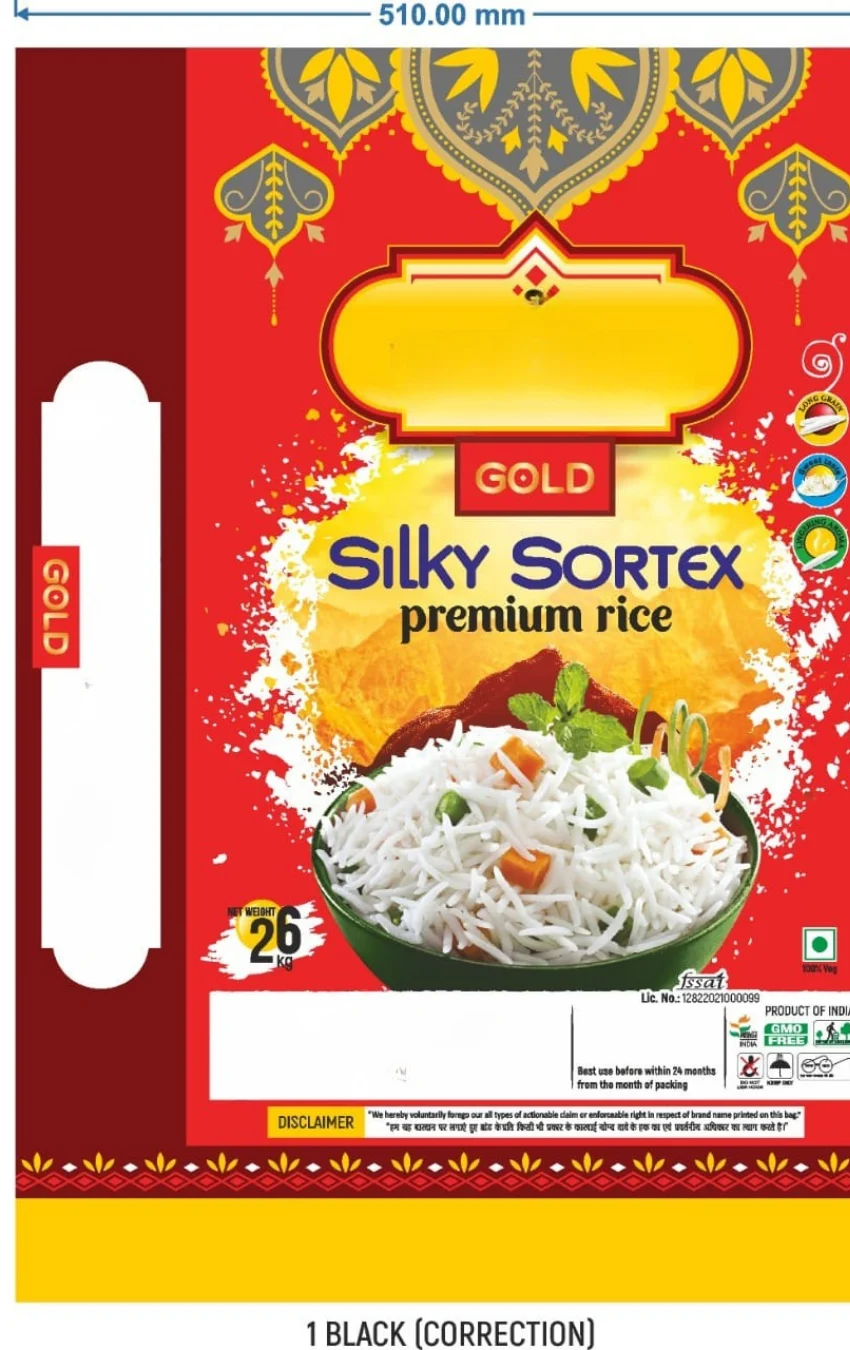
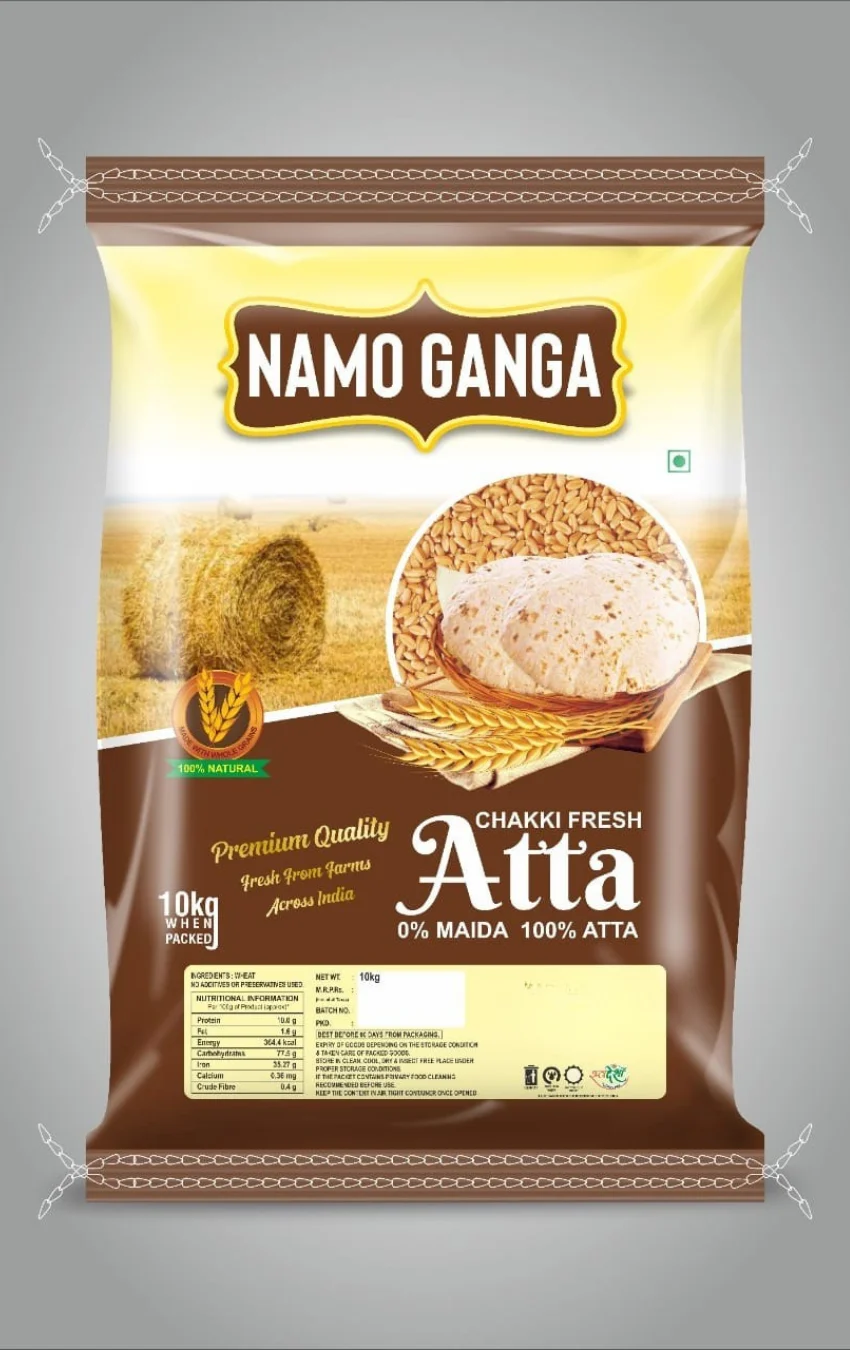
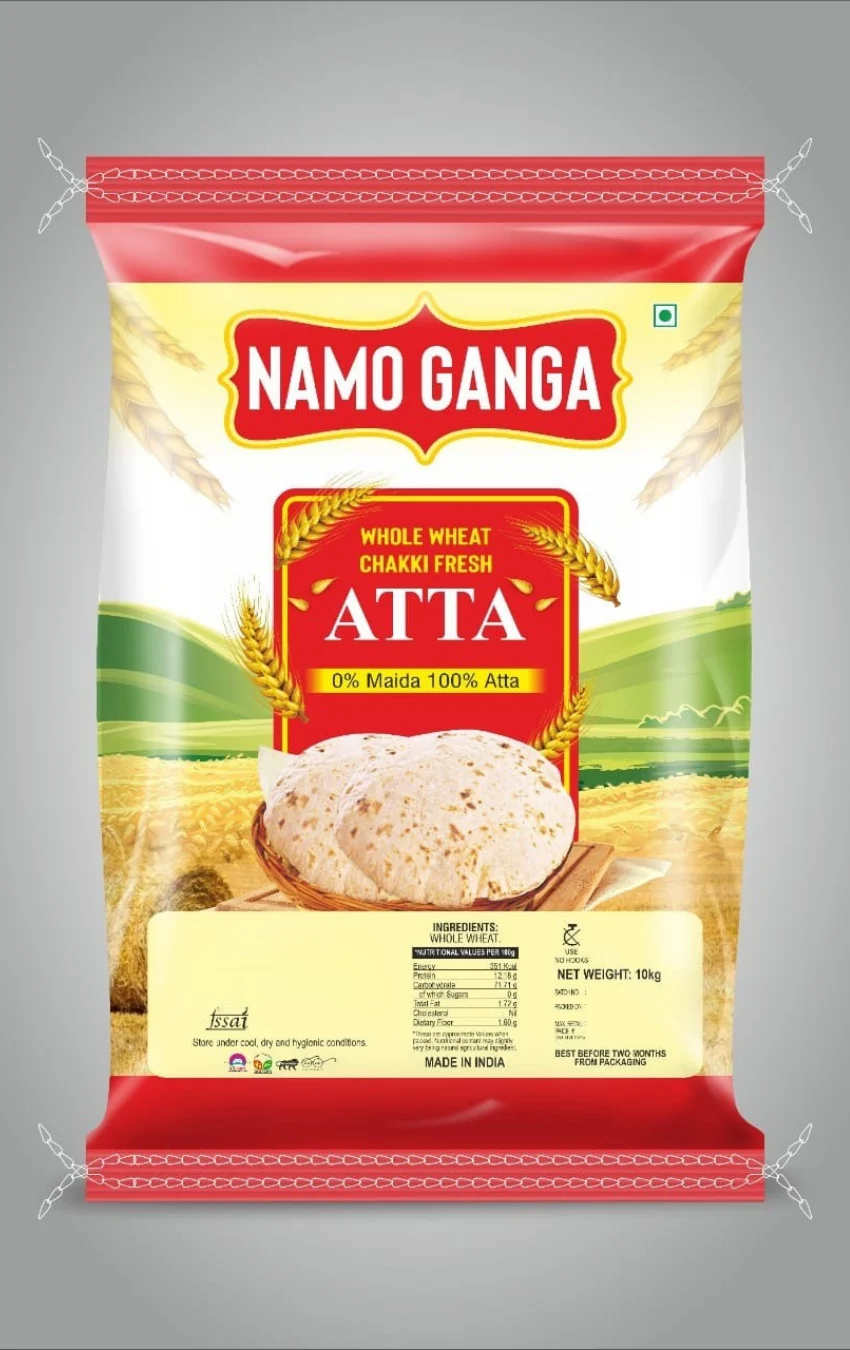
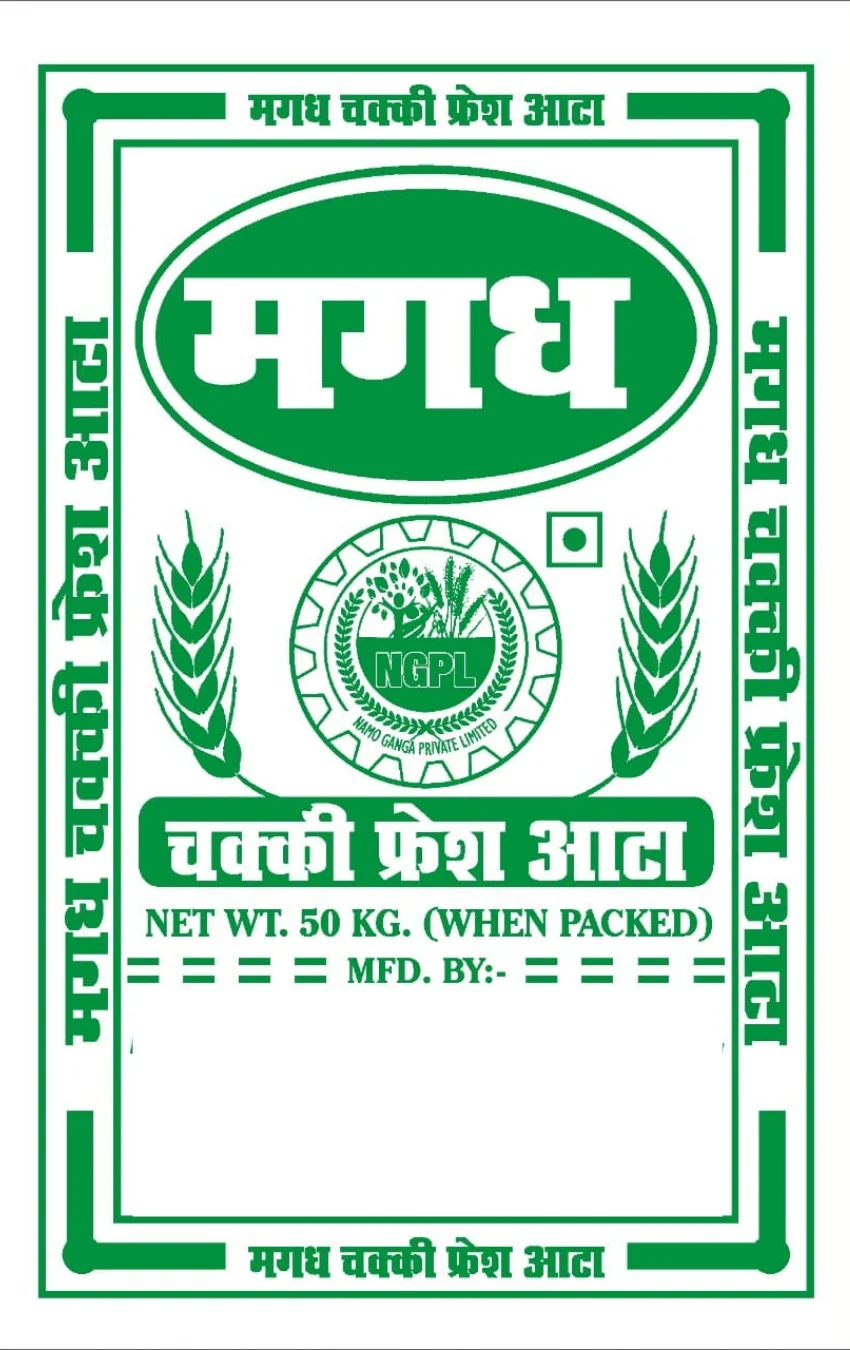
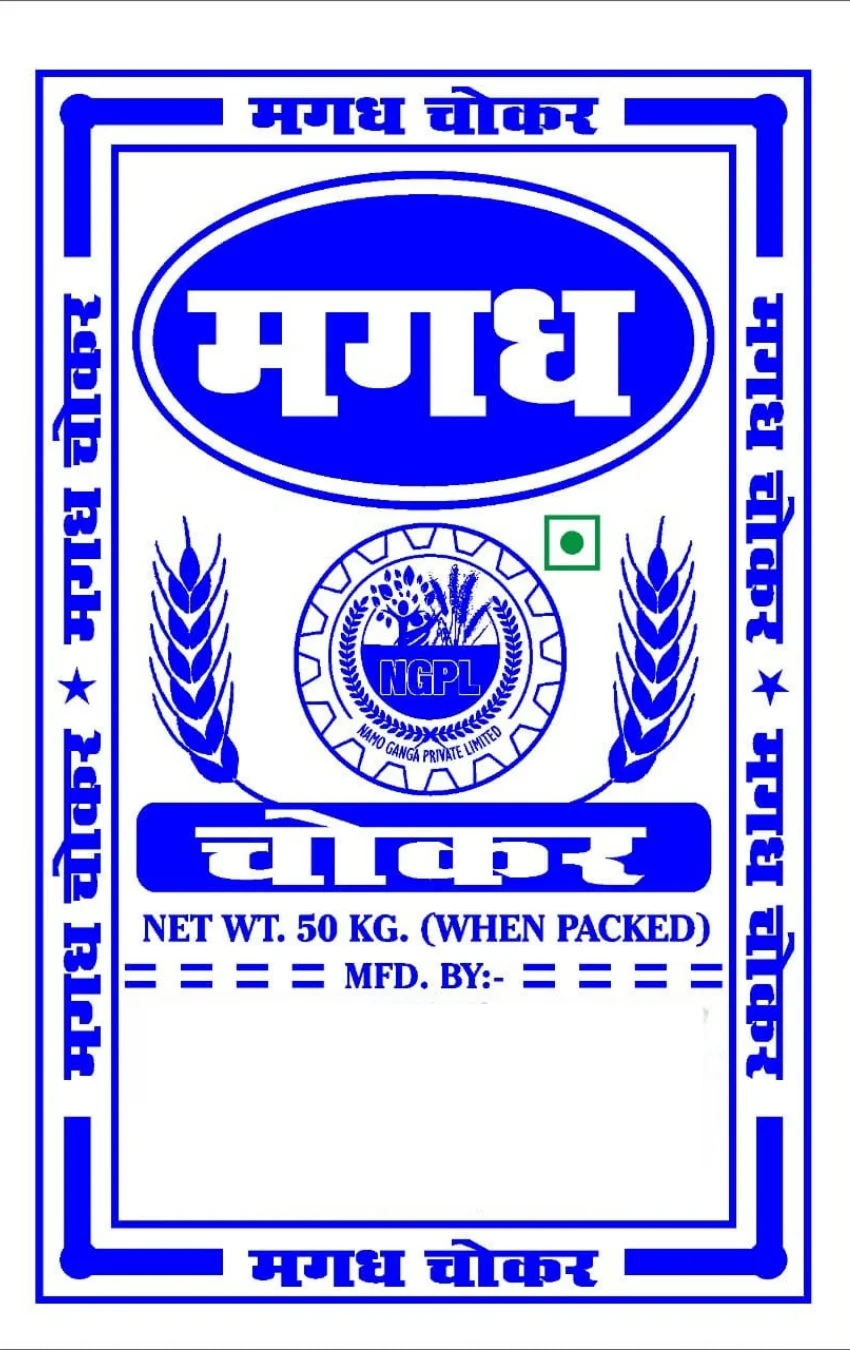
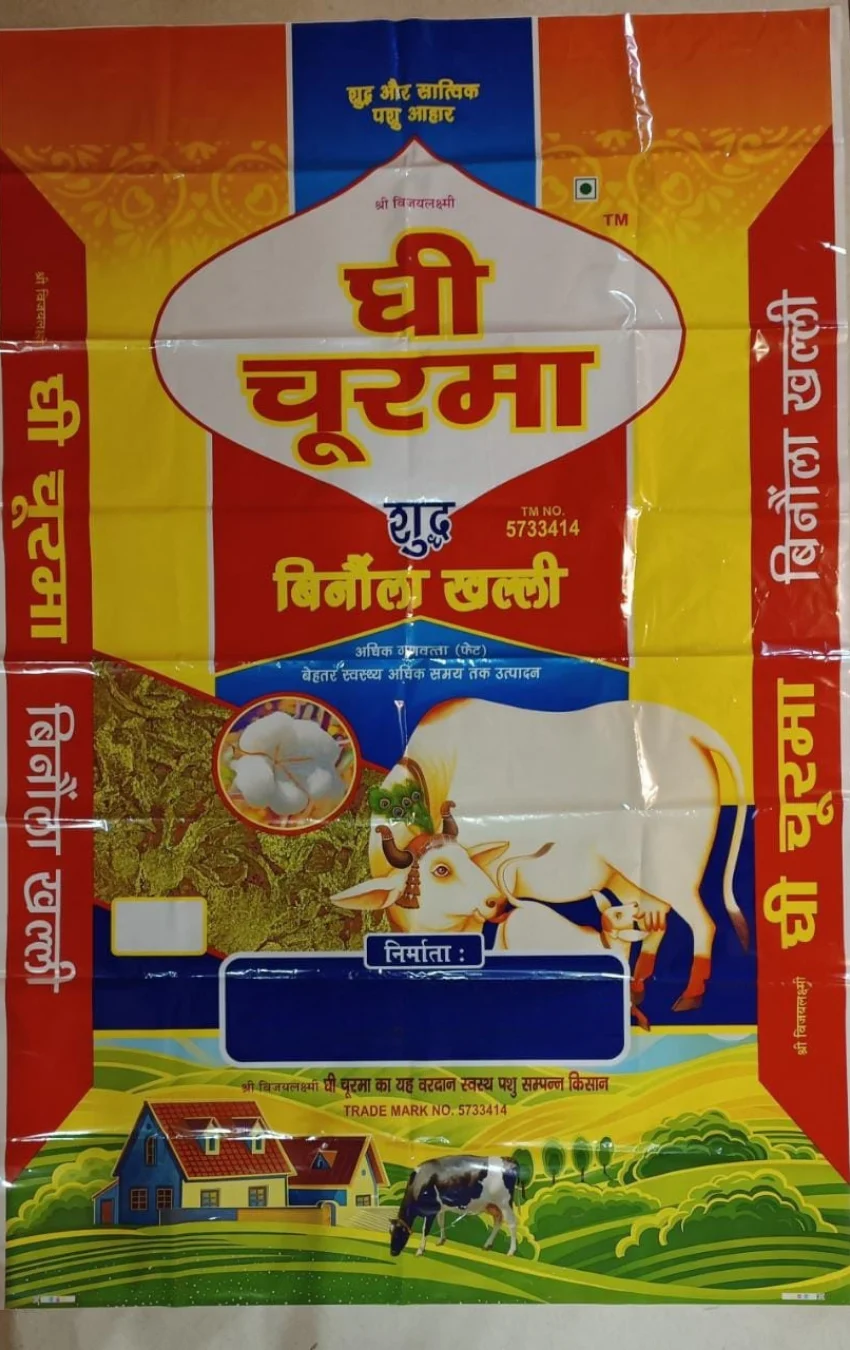
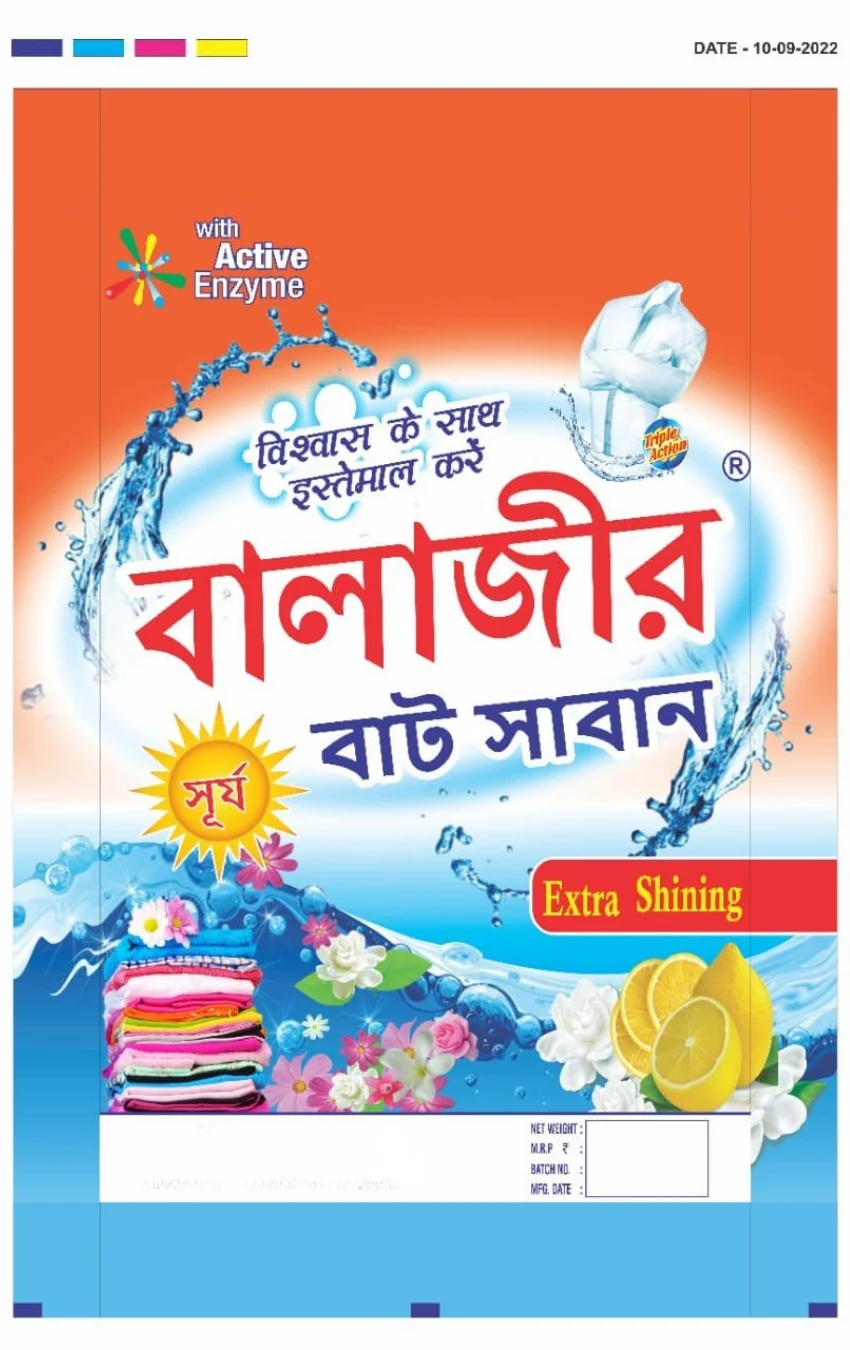
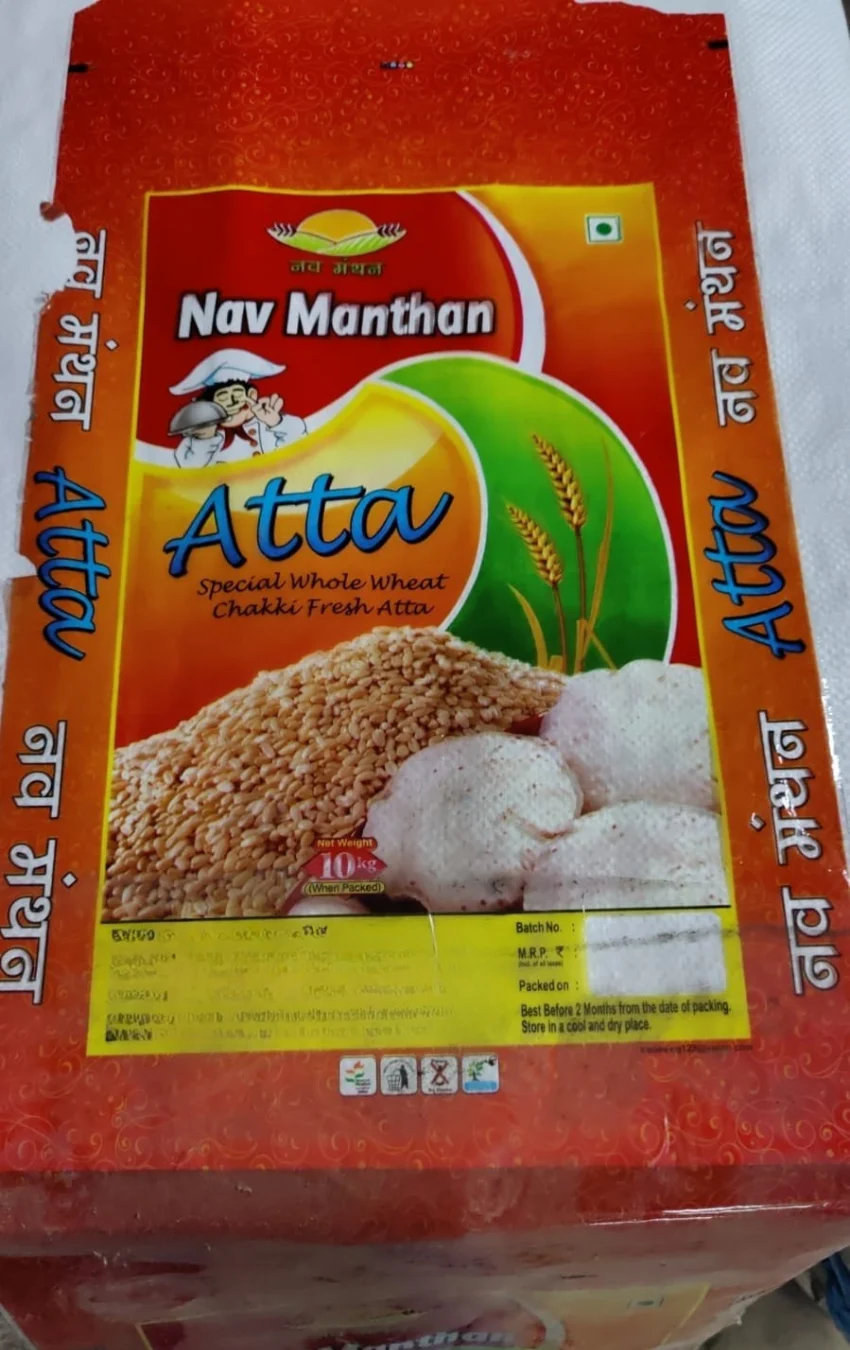
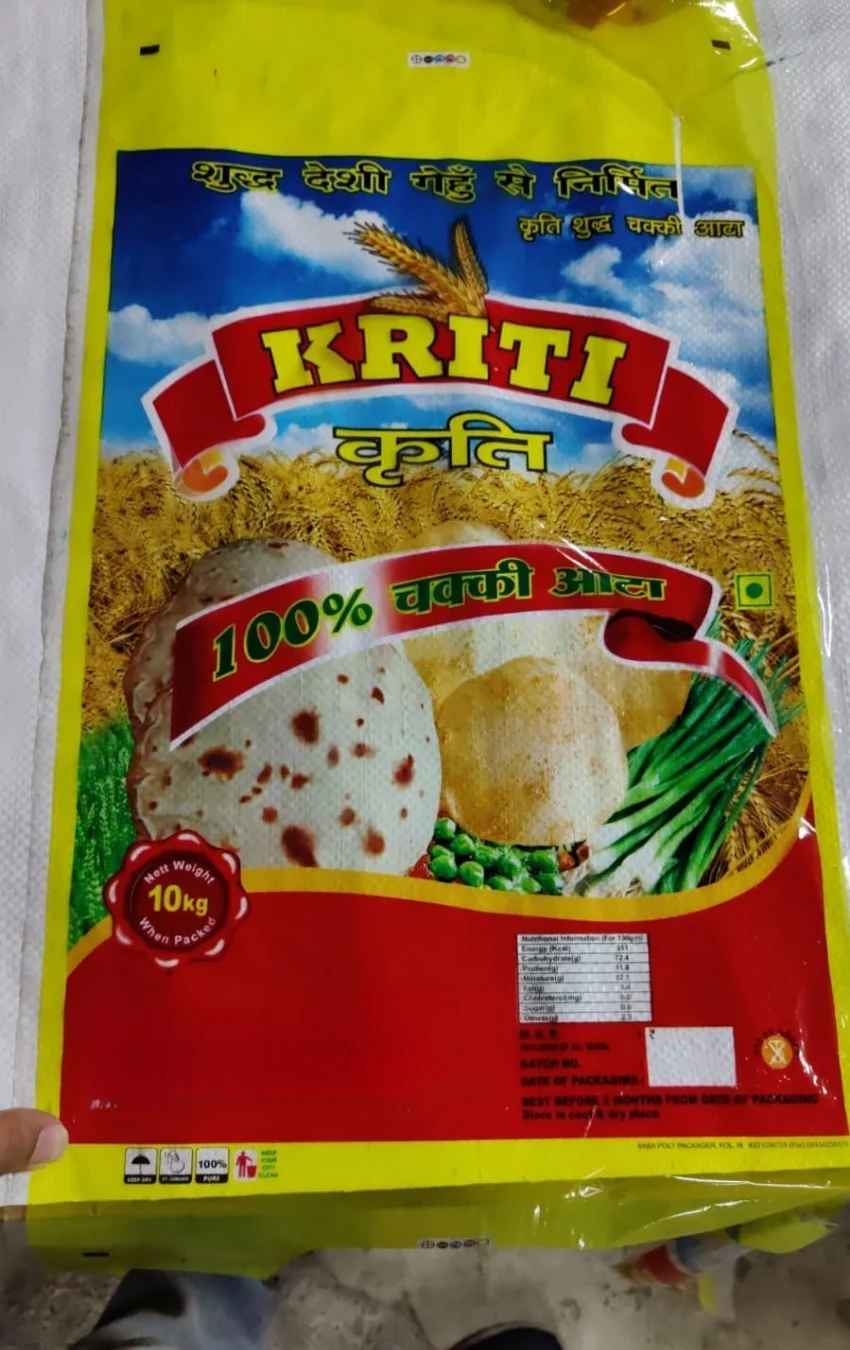
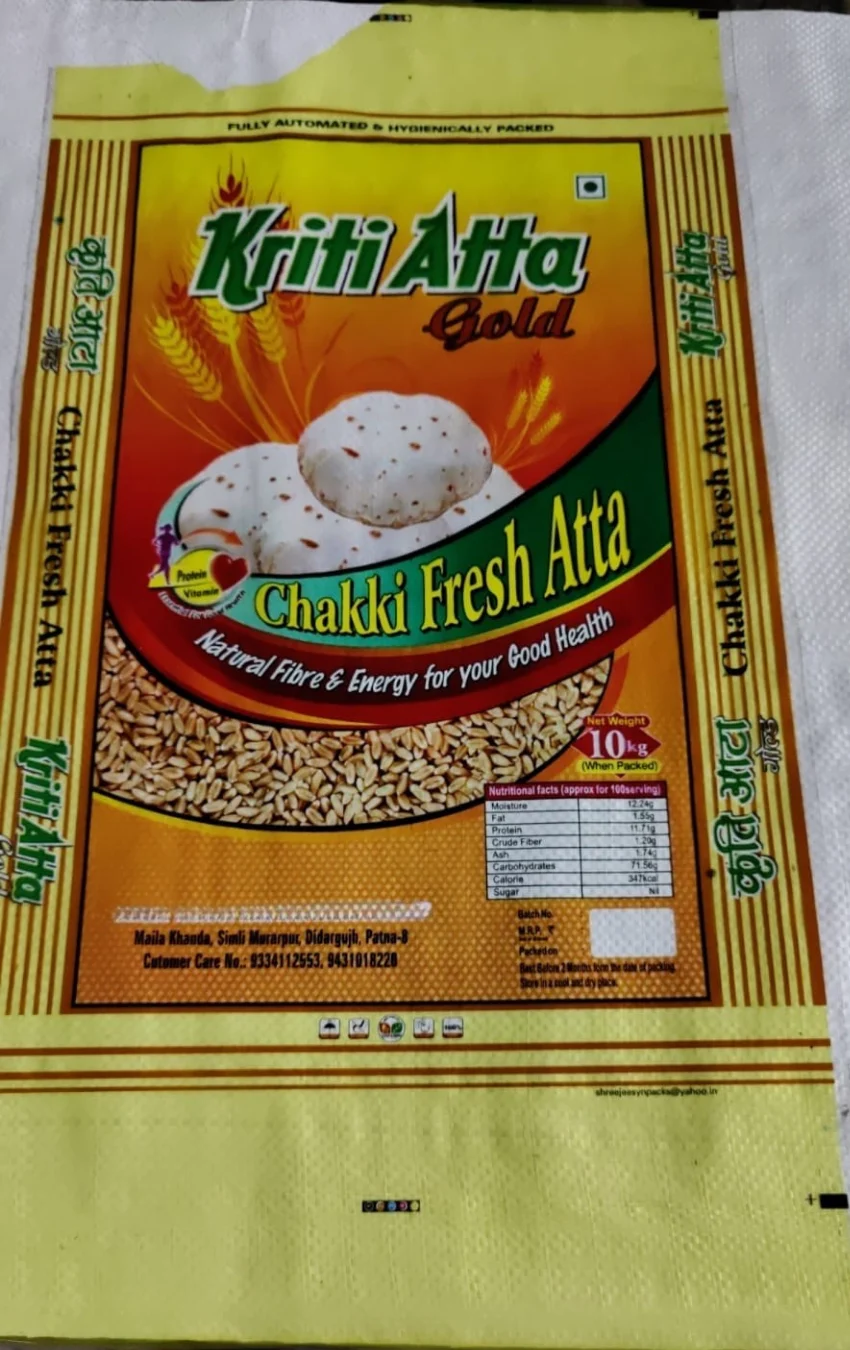
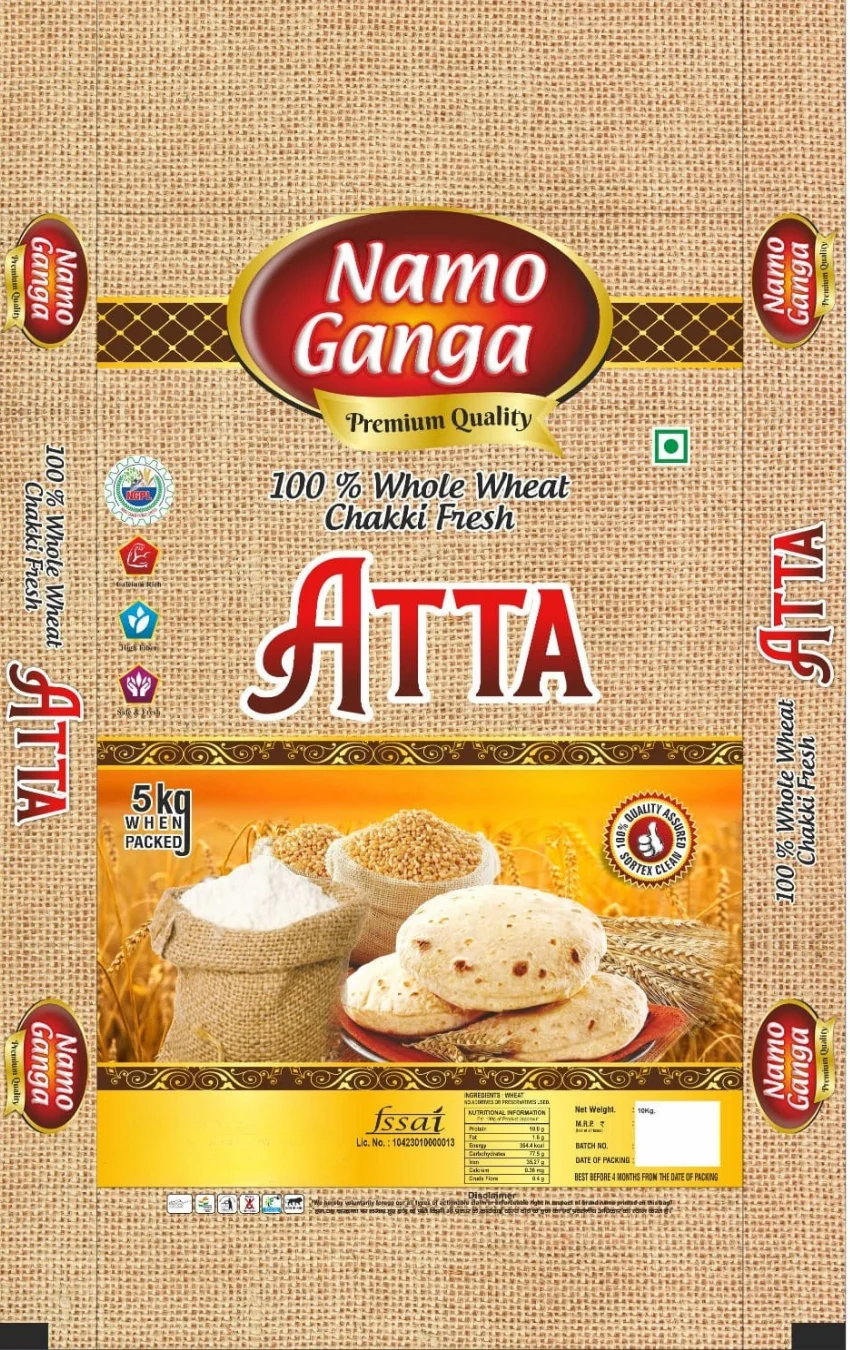
    The BOPP in our name isn't incidental. A BOPP laminated bag adds a glossy printed outer layer over the woven HDPE fabric. It's the same BOPP material we already supply as standalone film, which is why we can talk about this specialisation honestly rather than as an unfamiliar add-on. Lamination is what turns a functional sack into something that can carry a brand on a retail shelf. Sharper print, a proper surface for colour and logo work, a finish that reads as a finished product rather than a bulk container.

    This is genuinely where we specialise. It's the reason the name leads with BOPP, rather than treating it as an optional extra. If your rice or flour goes out under a brand name, this is the construction built for that.

    A plain, unlaminated bag is still available if that's genuinely what you need, mainly for bulk or wholesale movement where price per bag matters more than shelf appeal. We'll supply it on request, but it's not the specialisation this line is built around, and we'd rather say that plainly than pretend we're equally focused on both.
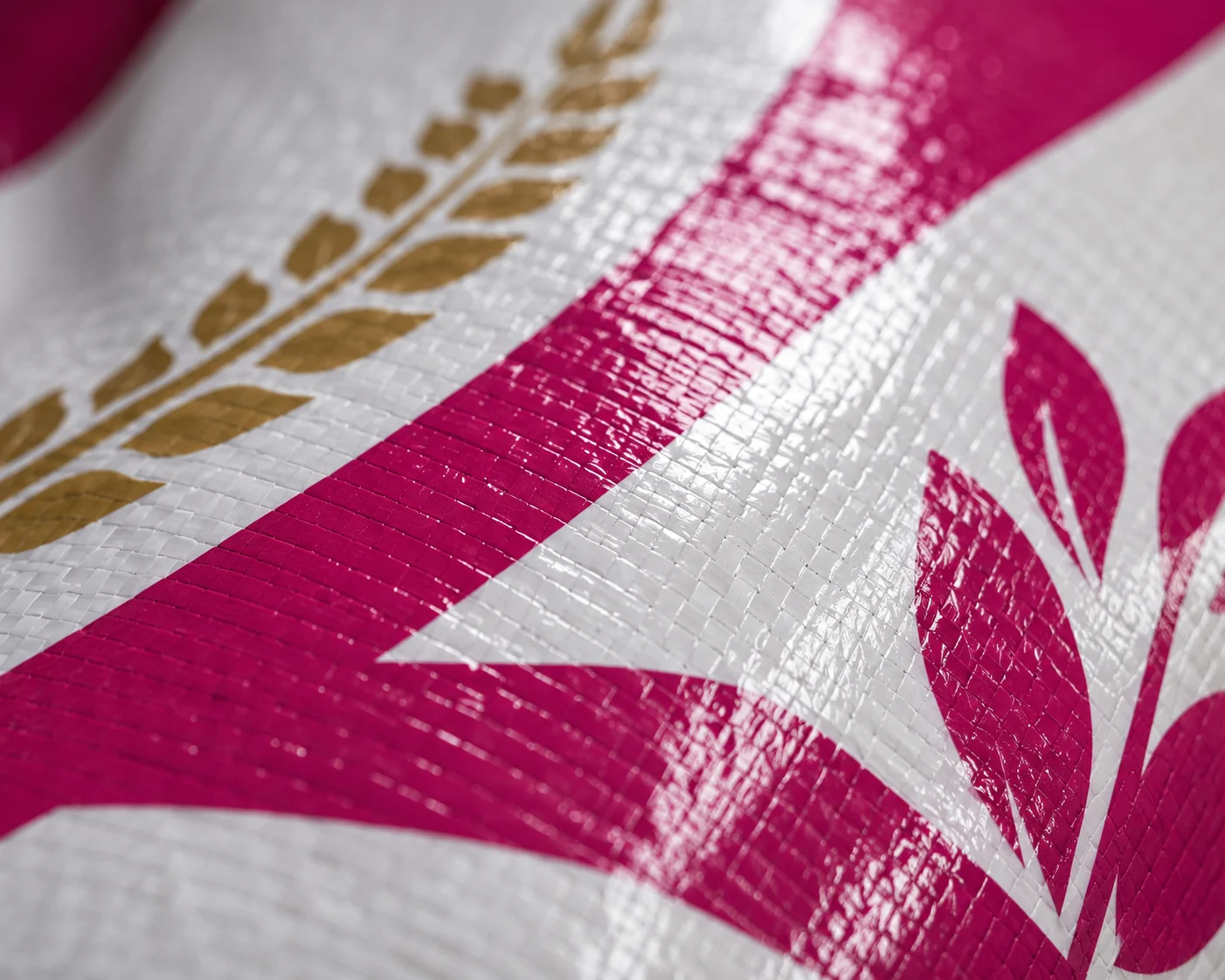
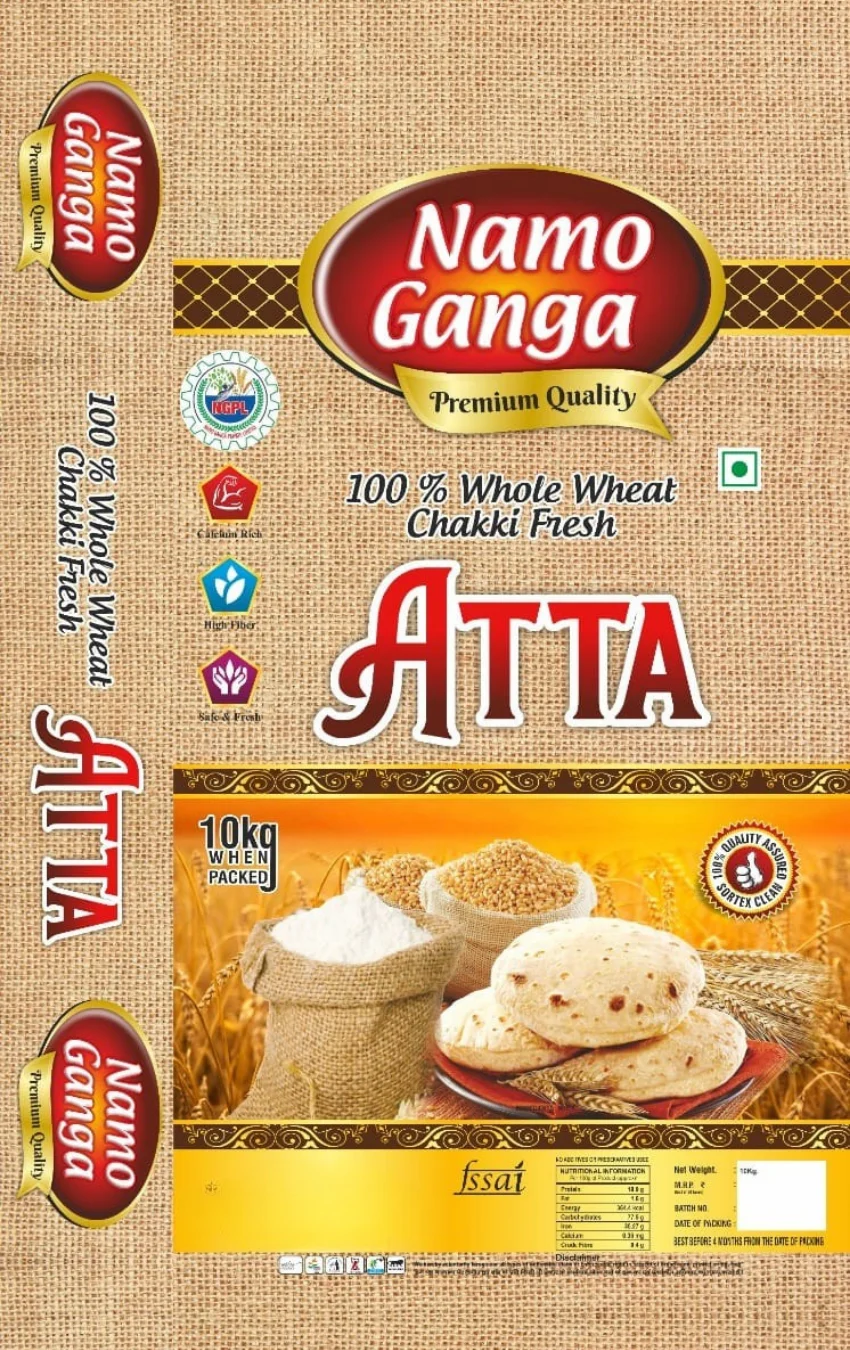
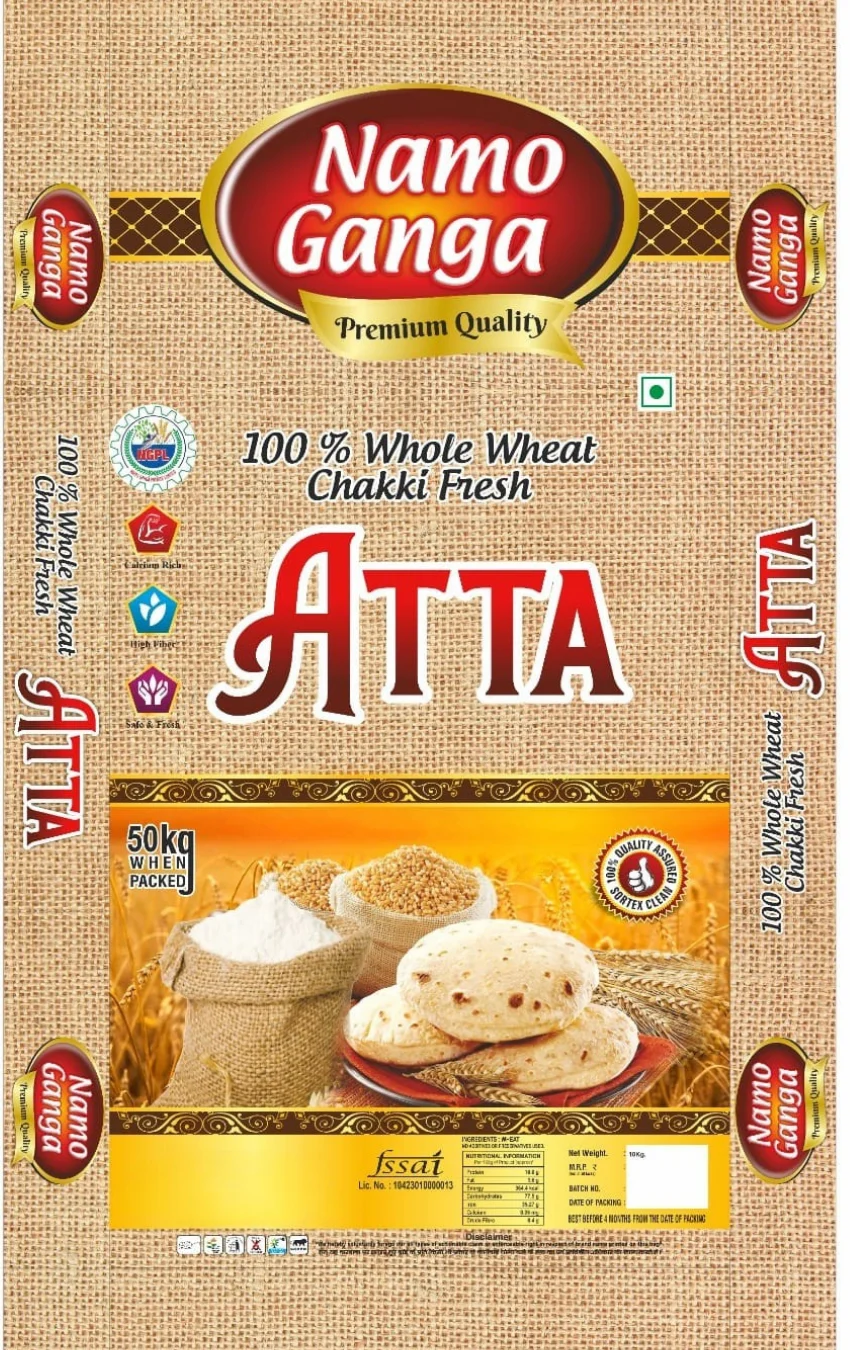
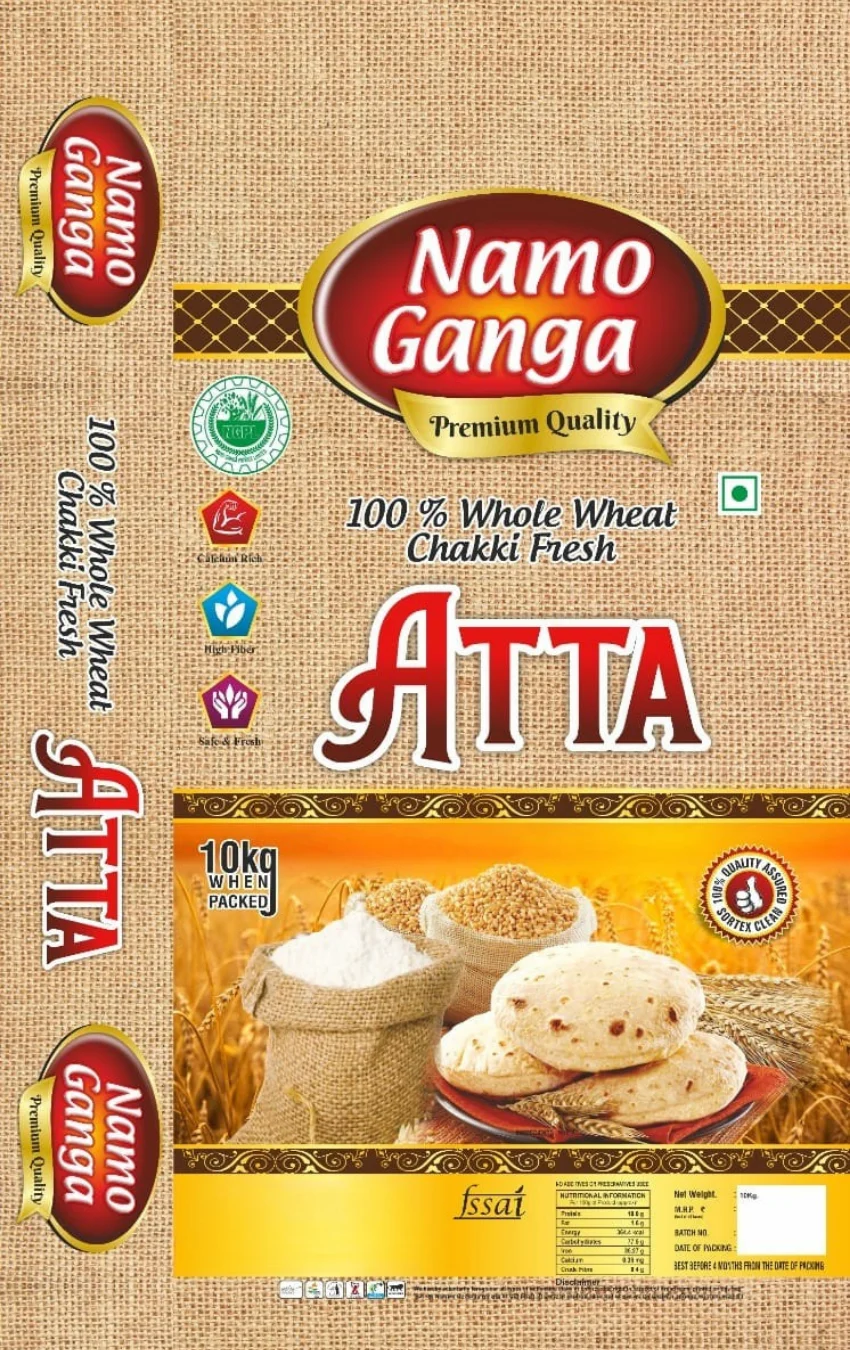
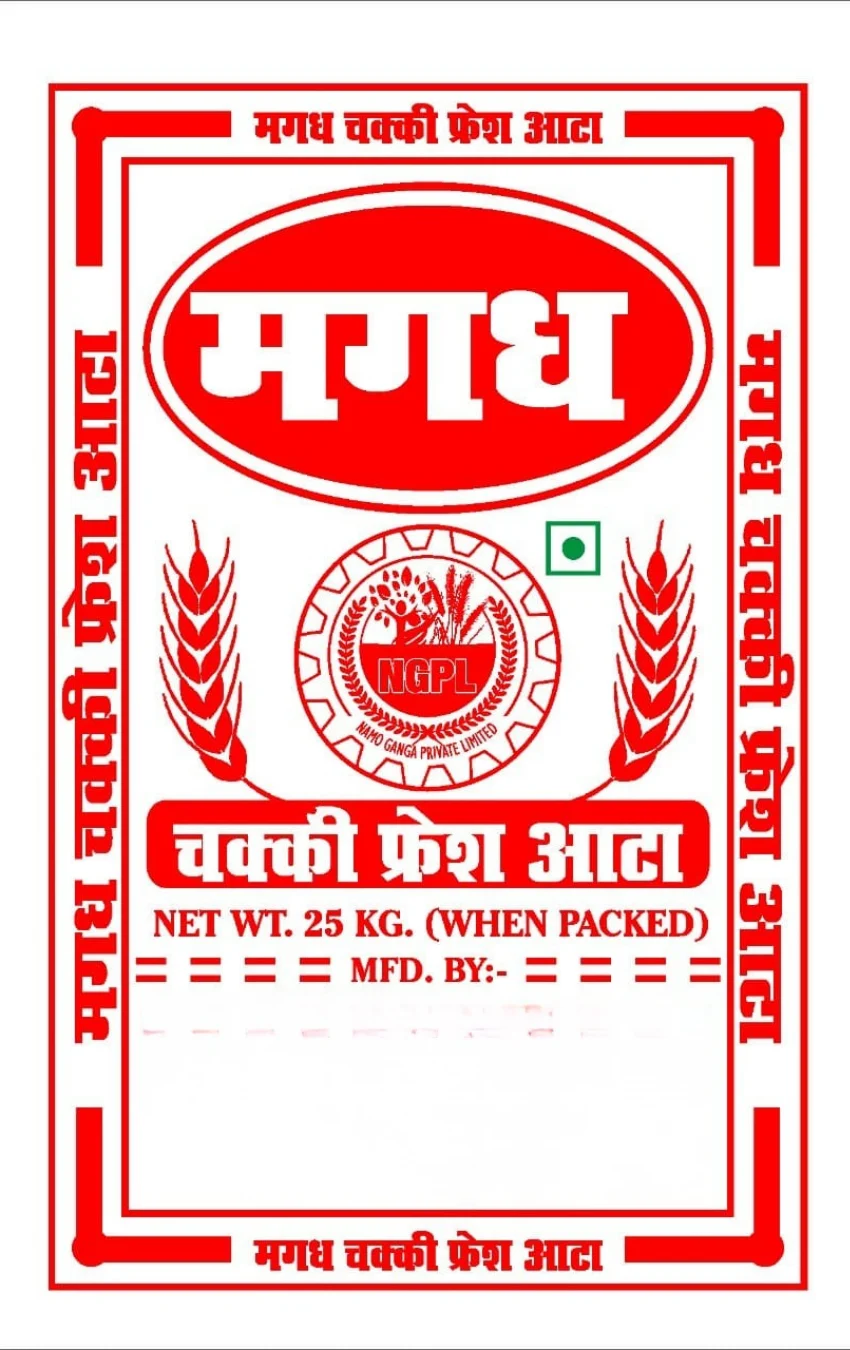
    BOPP laminated print surface on an HDPE rice bag

    Liner Or No Liner, Depending On What You're Protecting

    An inner PE liner adds a second layer of moisture and odour protection inside the woven bag, which matters more for premium milled rice with a longer expected shelf life than for commodity grain moving quickly through the supply chain. It's an added cost that's worth it when shelf life and grain quality are part of what you're selling, and unnecessary when they're not.

    Stitched Or Heat Sealed, And This Is Where We Actually Fit In

    Bags close one of two ways. A stitched closure uses thread and a bag closing machine. That's the exact business we've built everything else around. A heat sealed closure, pinch bottom or top seal, uses heat instead. It looks cleaner and resists dust better, but it needs entirely different equipment.

    If your bags are stitched closed, that's not a coincidence for us. We can supply the bag, the thread, and the machine that closes it, from one place, rather than you sourcing three separate things from three separate vendors and hoping they all actually work together on your line. If your bags are heat sealed, tell us upfront. That's a different production requirement, and we'd rather say so plainly than pretend we can casually cover both.

    This is genuinely the reason bags fit our existing business rather than being a random new line. We already sell the thread and the machine that closes a stitched bag. Adding the bag itself just closes the loop on a purchase our buyers were already making from three different places.
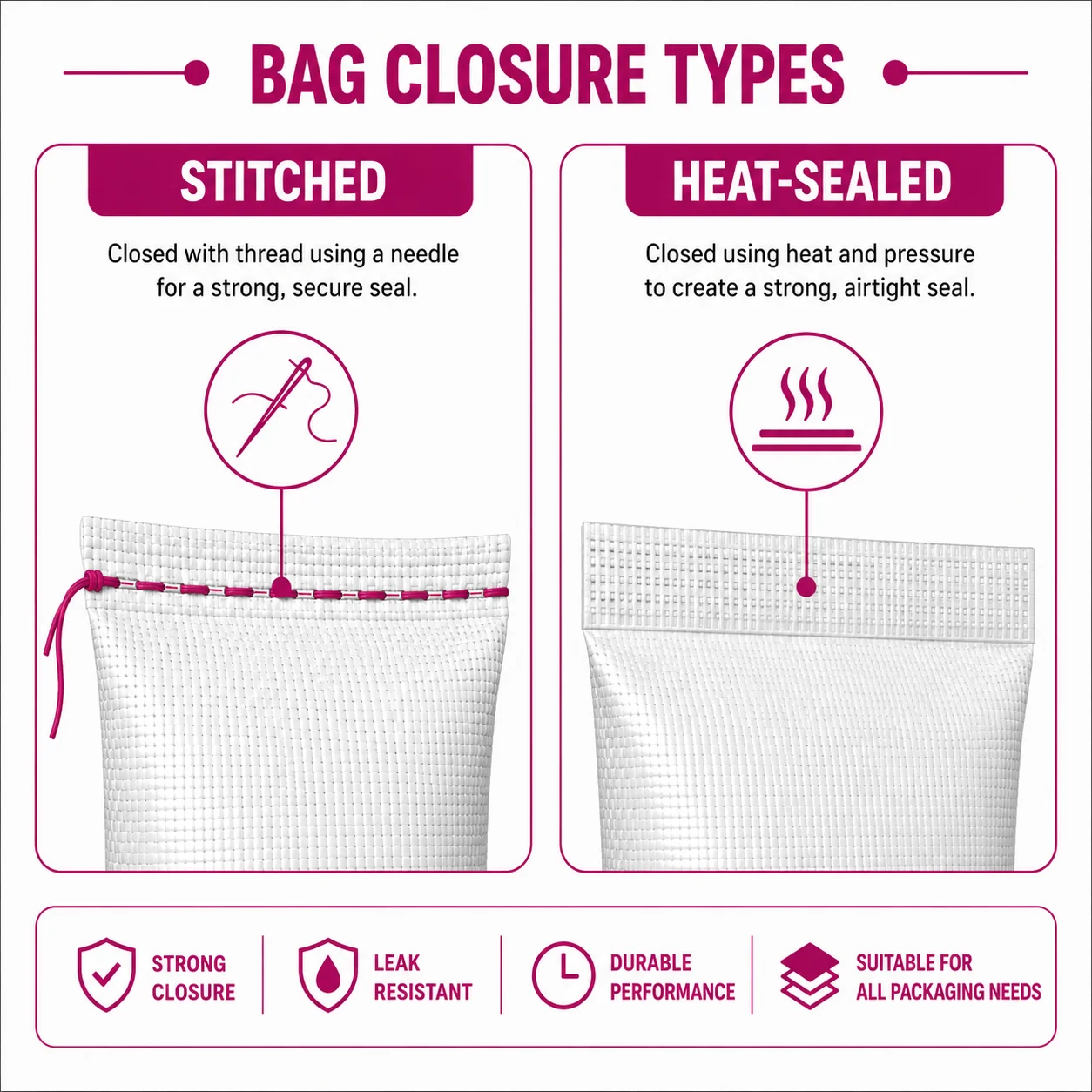
    Stitched versus heat-sealed rice bag closure types

    Standard Sizes, And Why We Won't Pretend There's One

    Rice and flour bags commonly run in 25 kg and 50 kg capacities for bulk and wholesale packing, with smaller retail sizes, 5, 10, 15 and 20 kg, common for branded flour and atta sold directly to consumers. Actual dimensions vary by GSM, fabric width, and your specific filling and closing equipment, the same way thread cone sizes vary by machine. Tell us your capacity requirement and your closing method, and we'll confirm a size that actually fits your line rather than a generic figure that might not.

    Supplied, Not Manufactured In House

    Same as our film, tape and tag range, we don't run our own weaving or lamination line for bags. We source HDPE BOPP bags against your specification from established producers, checking fabric weight, lamination quality and stitching before dispatch rather than just relaying whatever arrives. If your requirement needs a specific print, lamination grade, or an unusual size, ask us directly and we'll tell you plainly whether it's something we can source reliably.

    Who Actually Orders This From Us

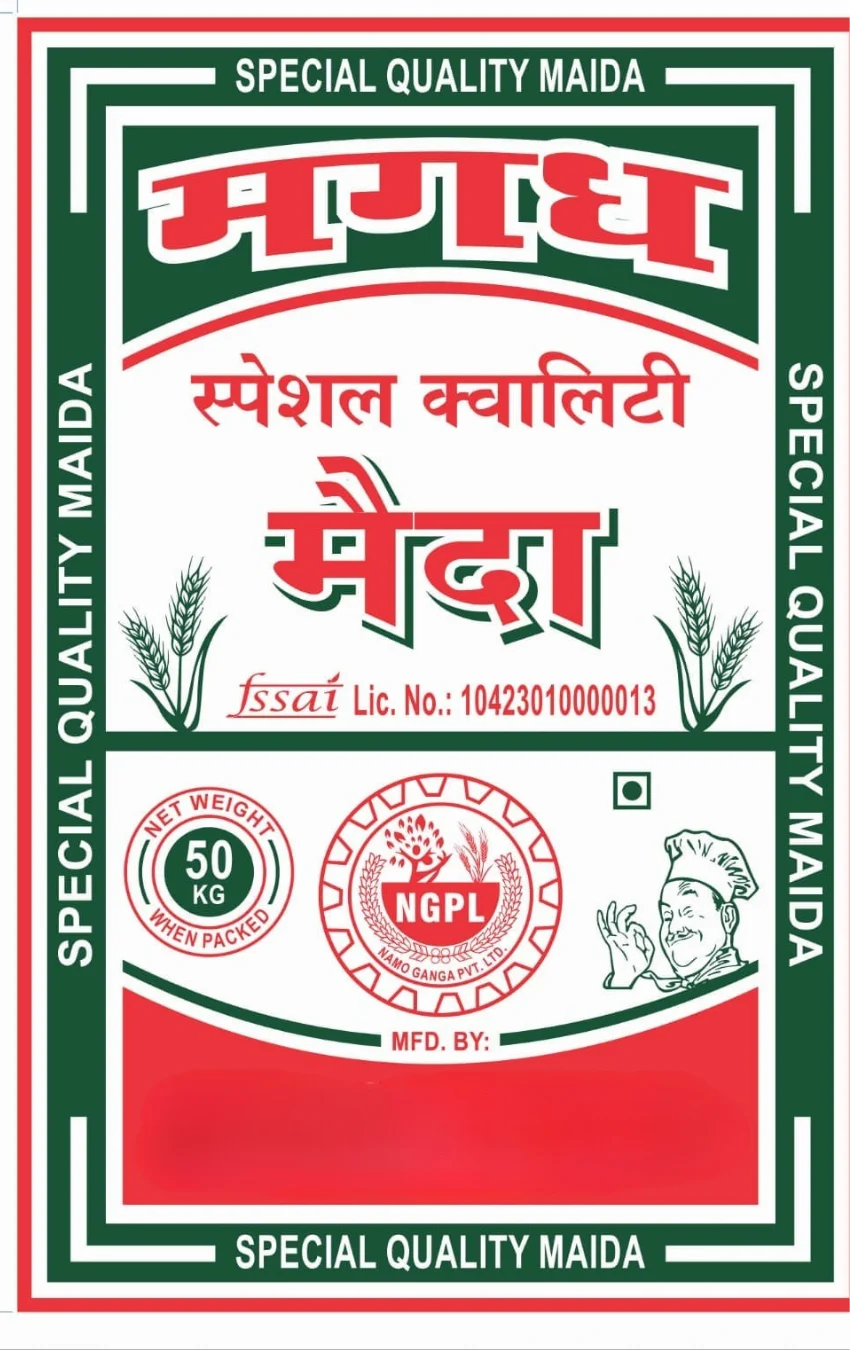
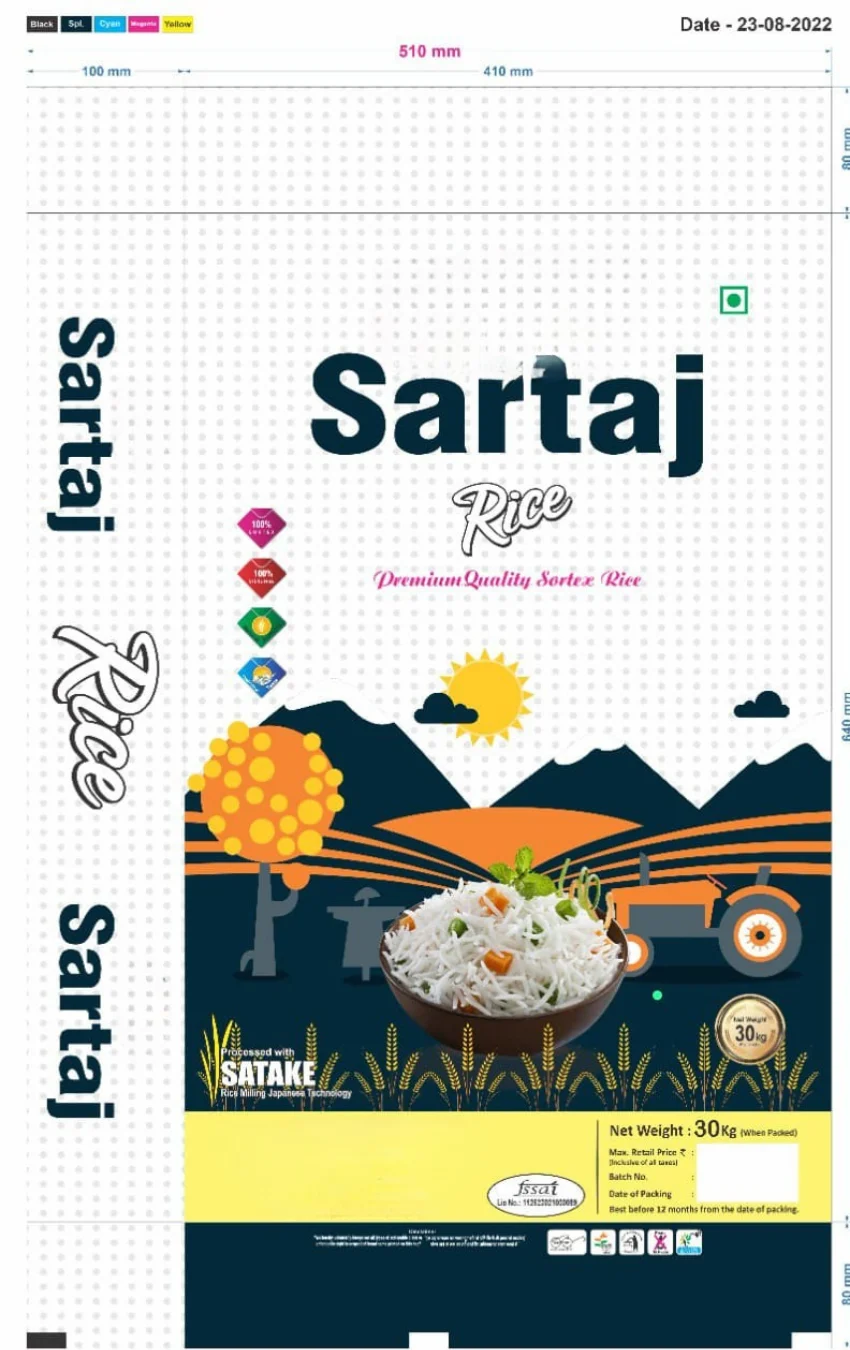
    Rice mills make up the largest share of buyers likely to want this alongside thread and tape, particularly through the Bardhaman, Nadia, Murshidabad and Hooghly belt where a large share of Bengal's Aman paddy gets milled and bagged. Flour mills and atta packers are the other main group, and BOPP laminated bags tend to be the more common request from this group specifically, since branded flour on a retail shelf is exactly the use case lamination is built for.

    The same seasonal pattern applies here as with our thread business. Bag demand tracks the Aman harvest from November, and ordering a few weeks ahead of that window avoids competing with every other mill's last-minute order at once.
    One Purchase Order Instead Of Three

    A rice mill buying bags, thread and a closing machine from three separate vendors is coordinating three delivery schedules, three quality standards, and three different people to call when something doesn't fit together properly. We'd rather be the one call that covers all three, even on a first order where you're only testing one part of it.

    How Ordering Actually Works

    Tell us your capacity, whether you need lamination or plain stock, whether you need a liner, and how the bag closes, stitched or heat sealed. We'll confirm a realistic specification and source it rather than take an order for a generic size that might not match your line. Once confirmed, we dispatch from Kolkata, alongside thread, tape or machines if you're ordering those too.

    Questions We Get Asked About HDPE BOPP Rice And Flour Bags

    Why HDPE specifically, and not PP woven?

    HDPE takes lamination well and runs a solid balance of strength and cost for rice and flour packing, which is why it's where we've focused our sourcing. The practical gap between HDPE and PP woven is smaller than the material names suggest. If your line is already standardised on PP, tell us and we'll confirm whether we can match it instead of pushing HDPE by default.

    Is the BOPP lamination required, or can I get a plain bag?

    Plain, unlaminated bags are available on request, mainly for bulk or wholesale buyers where price per bag matters more than shelf appeal. Lamination is where we specialise and what the name leads with, so it's worth telling us early if you specifically want to skip it.

    What GSM should I choose for a 50 kg rice bag?

    Most 25 and 50 kg woven bags run in a 70 to 80 GSM range as a starting point, with heavier GSM for rougher handling and lighter GSM where cost matters more and handling is gentler. Tell us how your bags actually get handled, hand carried, palletised, stacked high, and we'll suggest a realistic GSM rather than a generic number.

    Do I need an inner liner?

    A PE liner adds moisture and odour protection, worth it for premium rice with a longer expected shelf life. For commodity grain moving quickly through the supply chain, it's often an unnecessary cost. Tell us your product's expected shelf time and we'll advise honestly.

    Can you supply bags that work with the bag closing thread and machines I already buy from you?

    Yes, and that's the actual point of offering bags alongside everything else. Tell us your current thread article and machine type, and we'll make sure the bag specification we source actually suits stitched closing on your existing setup.

    What sizes and capacities do you supply?

    25 kg and 50 kg are the common bulk capacities, with 5, 10, 15 and 20 kg sizes common for retail flour and atta packs. Exact dimensions depend on your fabric width and closing method. Tell us your capacity requirement and we'll confirm a workable size.

    Can bags be custom printed with our brand?

    Yes, on laminated stock, using standard gravure or offset printing in single or multiple colours. Tell us your design and print colour count and we'll confirm what's realistic for your order size.

    What's the HSN code and GST rate for woven rice and flour bags?

    This is genuinely one of the more complex classifications in packaging, and the honest answer is that it depends on your bag's exact material and construction. Woven HDPE sacks commonly sit under HSN 6305, though plain plastic bags without a woven textile structure can fall under HSN 3923 instead, a different chapter entirely. Rates in this category have shifted with recent GST reforms, so confirm the current rate for your specific bag construction with your accountant rather than assume a figure from an older invoice still applies.

    What's a realistic minimum order quantity for bags?

    It depends on size, lamination and print complexity, so we're not going to quote one number that might not apply to your case. Tell us your specification and we'll confirm a minimum against an actual source rather than a guess.

    Can I get a sample before a full order?

    Yes, and we'd suggest it, the same as with any product on this site. Testing a bag on your own filling and closing line before committing to a bulk order saves a bigger problem later.

    Do you supply bags with a handle or a window?

    Some producers offer both as options, mainly for retail-facing bags rather than bulk sacks. Tell us if either matters for your product and we'll confirm what's available.

    Do you dispatch bags outside West Bengal?

    Yes, nationally. Being Kolkata based mainly shortens transit for buyers in the East and North East, but bag supply isn't restricted to any one region.

    If my bags are heat sealed rather than stitched, can you still help?

    We can still source the bag itself. Just tell us upfront that your line is heat seal rather than stitched, since that changes the bag specification we need to match, and it means thread and our machines won't be part of that particular order.

    Can I order bags, thread and a machine together as a new buyer?

    Yes, and telling us your full requirement in one conversation usually gets you a more coherent result than ordering each separately. We'll confirm the bag specification, the matching thread article, and machine type together, rather than three disconnected quotes.

    Are the bags food grade and safe for direct grain contact?

    Food-grade compliance depends on the specific fabric grade and any liner used, not something true of every woven bag by default. Tell us your exact compliance requirement, and any certification your buyer expects, and we'll confirm in writing whether the specification we can source actually meets it.

    How should bags be stored before use?

    Keep them dry, away from direct sunlight, and off a damp floor, ideally on pallets rather than stacked straight on concrete. HDPE holds up well in storage generally, but UV exposure over months can weaken unlaminated fabric, and dampness from the floor can work its way in from the bottom of a stack.

    Can I get bags in colours other than plain white or natural?

    Custom colour is possible on both unlaminated and laminated stock, though it usually means a dedicated production run rather than pulling from standard stock. Tell us your colour requirement and quantity and we'll confirm what's realistic.

    Talk to us before you order

    A two-minute call usually settles it faster than an email back-and-forth.